
Protecting Homes and Communities in Edmonton
A home should be a place where residents feel comfortable, whether they are relaxing indoors, welcoming guests, or leaving for work. However, residential properties can face several security concerns, including trespassing, theft, vandalism, suspicious activity, and unauthorized access. These issues can affect individual homeowners, apartment residents, property managers, and entire residential communities.
Installing cameras and alarm systems can help monitor a property, but technology cannot always respond to an unfolding situation. Having trained security personnel on site adds a human presence that can monitor surroundings, observe unusual behaviour, and respond according to established procedures.
Residential Security Guards in Edmonton play an important role in maintaining order and monitoring residential properties. From gated communities to apartment buildings and private housing developments, their duties can help address security concerns before they escalate.
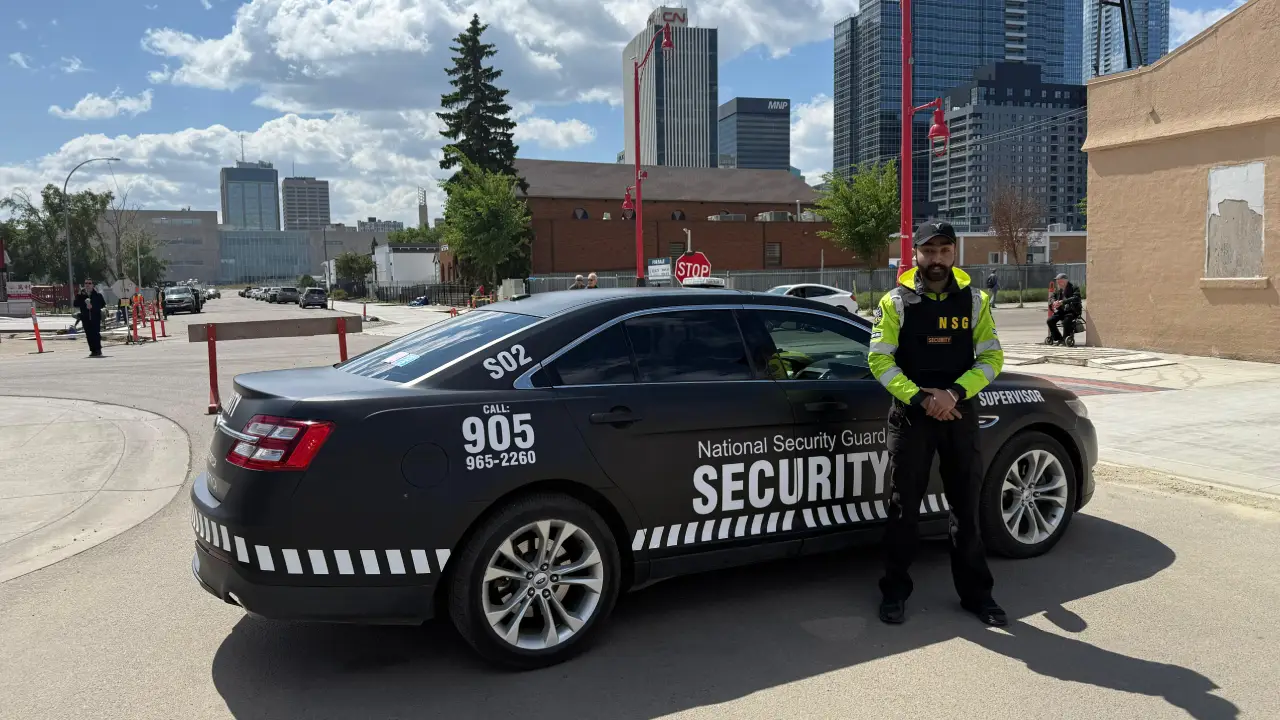
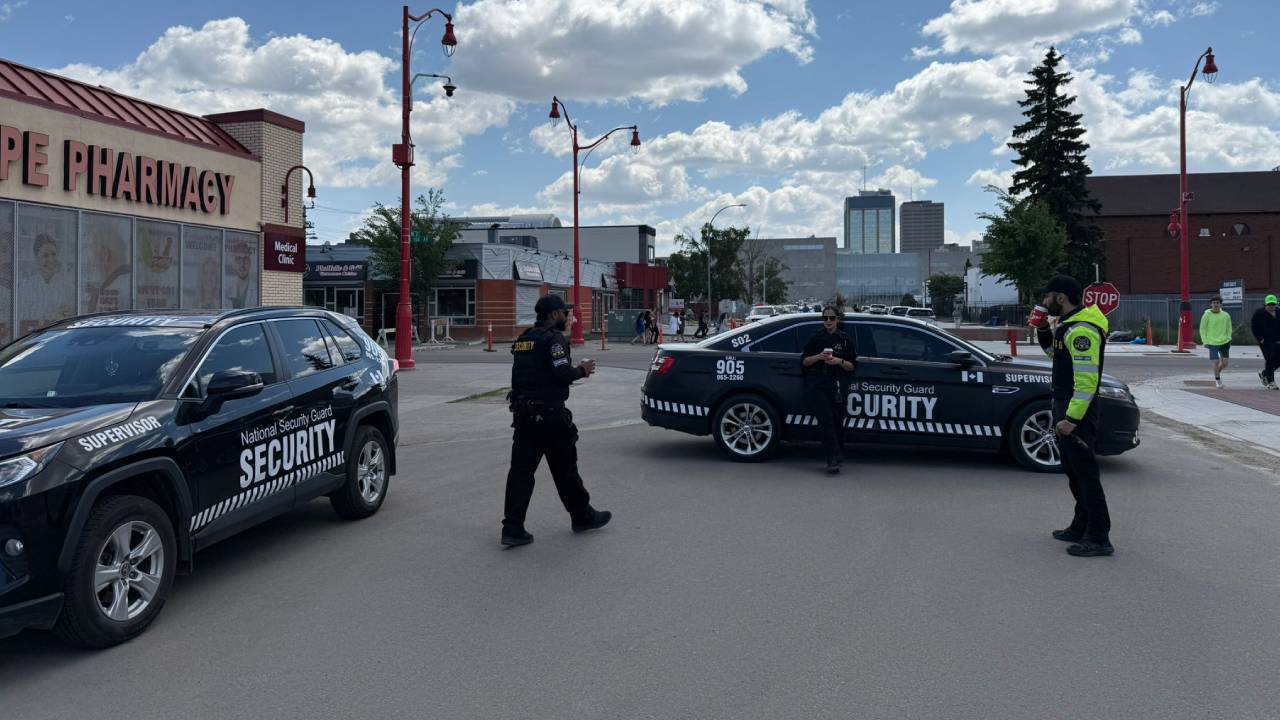
National Security Guard Protection Services (NSG) provides security services for clients seeking support with residential property protection. This article explores residential security, the responsibilities of guards, common security concerns, and factors to consider when arranging protection for a property.
What Is Residential Security?
Residential security involves measures taken to protect homes, apartment complexes, condominiums, gated communities, and other housing developments. Its purpose is to reduce security risks, monitor access, and help residents maintain a safe living environment.
Unlike security arrangements focused on commercial buildings, residential protection considers the daily routines of people living within a property. Residents may leave early for work, receive deliveries, welcome visitors, or return home late at night. Security procedures must account for these activities without unnecessarily interrupting everyday life.
A residential security arrangement may include:
- Monitoring entrances, exits, and shared spaces.
- Checking visitors and verifying access permissions.
- Conducting scheduled property patrols.
- Observing suspicious behaviour.
- Recording incidents and reporting concerns.
- Monitoring parking areas and common facilities.
- Following emergency response procedures.
The duties depend on the property layout, resident requirements, operating hours, and identified security risks.
Why Residential Security Matters in Edmonton
Edmonton has a mix of detached homes, townhouses, apartment buildings, condominiums, and gated residential developments. Each property type has different access arrangements and security considerations.
For example, an apartment building may have several entrances, underground parking, elevators, and shared recreational areas. A detached home may require attention to outdoor spaces, garages, driveways, and perimeter access.
Residential Security Guards in Edmonton can help address these concerns through regular observation and on-site monitoring.
1. Preventing Unauthorized Entry
Unauthorized access can create problems for residents and property managers. Individuals may attempt to enter buildings without permission, follow residents through secured doors, or access restricted facilities.
A security guard can monitor entry points, verify visitor permissions, and follow access procedures. This human presence can discourage individuals from attempting to enter areas where they do not belong.
2. Monitoring Suspicious Activity
Unusual behaviour around a residential property should not automatically be treated as criminal activity. However, certain situations may require attention.
Examples include individuals repeatedly checking vehicle doors, attempting to access restricted areas, or remaining around building entrances without a clear reason.
Security personnel can observe these situations, document relevant details, and report concerns through the appropriate channels.
3. Reducing Theft and Vandalism Risks
Parking areas, storage rooms, bicycle racks, and outdoor facilities can attract unwanted attention. Theft and vandalism may also affect shared property and residents' belongings.
Visible security patrols can discourage opportunistic activity. Guards may inspect designated areas, report damaged property, and notify the appropriate parties when an incident occurs.
4. Supporting Residents During Emergencies
Residential properties can experience unexpected situations, including fire alarms, medical emergencies, water leaks, and disturbances.
Security personnel can follow established emergency procedures, notify emergency responders, direct residents to designated exits, and communicate relevant information to property management.
Their role is to act within their training and authority rather than replace emergency services.
What Do Residential Security Guards Do?
Residential security involves several responsibilities that extend beyond standing at an entrance. Duties may change depending on the property's requirements and the security plan established by management.
Access Control and Visitor Monitoring
One of the main responsibilities involves managing entry into residential buildings and restricted areas.
Guards may:
- Verify visitor details according to property procedures.
- Confirm access permissions with residents or management.
- Monitor delivery personnel entering designated areas.
- Maintain visitor records where required.
- Prevent unauthorized individuals from entering restricted spaces.
Clear access procedures help maintain consistency while respecting residents, guests, and authorized workers.
Routine Security Patrols
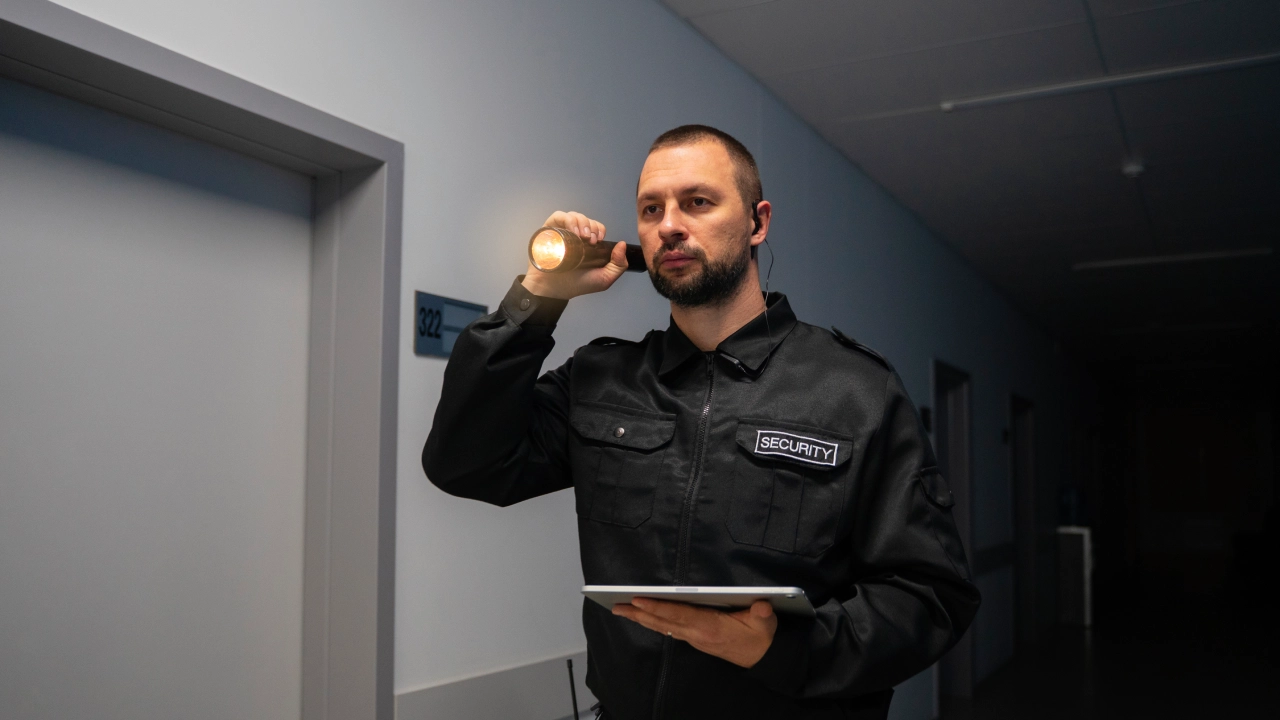
Patrols allow guards to observe different parts of a residential property instead of remaining at one location throughout their shift.
Depending on the assignment, patrol areas may include:
- Main entrances and secondary doors.
- Parking garages and outdoor parking spaces.
- Stairwells and hallways.
- Building perimeters.
- Shared gardens and recreational spaces.
- Storage rooms and other restricted locations.
During patrols, guards can identify damaged locks, unsecured doors, unusual activity, and maintenance concerns. Findings can then be documented and reported.
Incident Documentation
Accurate reporting is an important part of residential security operations. Records help property managers understand recurring concerns and determine whether existing procedures require changes.
An incident report may include the date, time, location, observations, actions taken, and any relevant notifications.
Reports should remain factual and avoid unsupported assumptions about individuals or events.
Types of Residential Properties That May Need Security
Different residential settings have different security requirements. Residential Security Guards in Edmonton can be assigned to several property categories, depending on the scope of the assignment.
Apartment Buildings
Apartment buildings often have shared entrances, underground parking, elevators, mail areas, and common facilities. Security personnel can monitor these spaces, manage visitor access, and report unusual activity.
Gated Communities
Gated communities may have controlled vehicle entrances, pedestrian access points, and private roads. Guards can monitor authorized entry, verify visitors, and conduct perimeter patrols.
Condominium Complexes
Condominium properties contain shared facilities that require regular monitoring. These may include fitness rooms, swimming pools, underground garages, storage areas, and reception spaces.
Security procedures can help residents and visitors follow building access rules.
Private Residential Estates
Large private estates may have extensive outdoor areas, multiple entrances, and detached structures. Patrol arrangements can focus on perimeter observation, access monitoring, and reporting property concerns.
How to Choose Residential Security Guards in Edmonton
Choosing a security provider requires careful consideration. Property owners and managers should understand the services included, the qualifications of assigned personnel, and the procedures used during routine operations.
Here are eight factors worth reviewing before making a decision.
1. Verify Licensing and Compliance
Check whether the security company and assigned personnel meet applicable Alberta licensing requirements. Ask about staff qualifications, training, and compliance with relevant provincial regulations.
2. Review Relevant Residential Experience
Residential properties have different requirements from retail stores or construction sites. Ask whether the provider has handled apartment buildings, condominiums, private estates, or gated communities.
3. Understand the Scope of Duties
Clarify whether the assignment includes access control, mobile patrols, visitor monitoring, incident reporting, or overnight coverage.
Written responsibilities help prevent confusion during daily operations.
4. Ask About Patrol Procedures
Find out how often patrols take place, which areas are covered, and how completed patrols are recorded.
5. Verify Communication Procedures
Guards should know whom to notify when an incident occurs. Ask about reporting channels, escalation procedures, and communication with property management.
6. Review Emergency Protocols
Ask how personnel are expected to respond to fire alarms, disturbances, suspicious activity, and other emergencies.
7. Discuss Scheduling Requirements
Residential properties may require daytime, evening, overnight, weekend, or continuous coverage. Confirm that the proposed schedule matches the property's operating needs.
8. Understand Pricing and Contract Terms
Request a clear breakdown of charges, working hours, staffing arrangements, and contract conditions. Discuss additional costs and procedures for changing the service schedule.
Common Residential Security Mistakes to Avoid
Even properties with security arrangements can have gaps. Identifying common mistakes can help owners and managers improve their procedures.
Ignoring secondary entrances: Focusing only on the main entrance can leave side doors, garage access points, and rear entrances without sufficient monitoring.
Relying entirely on cameras: Surveillance systems record activity, but someone must review footage and coordinate an appropriate response when concerns arise.
Keeping unclear visitor procedures: Residents, guests, delivery workers, and contractors should know which entry procedures apply.
Neglecting maintenance issues: Broken locks, faulty lighting, and damaged access systems can create unnecessary security concerns.
Failing to document incidents: Without accurate records, recurring problems may go unnoticed or become difficult to investigate.
Not reviewing security arrangements: Property requirements can change as occupancy, building access, and surrounding conditions evolve.
How Guards and Security Technology Work Together
Technology can support residential security, but it does not remove the need for human observation and decision-making.
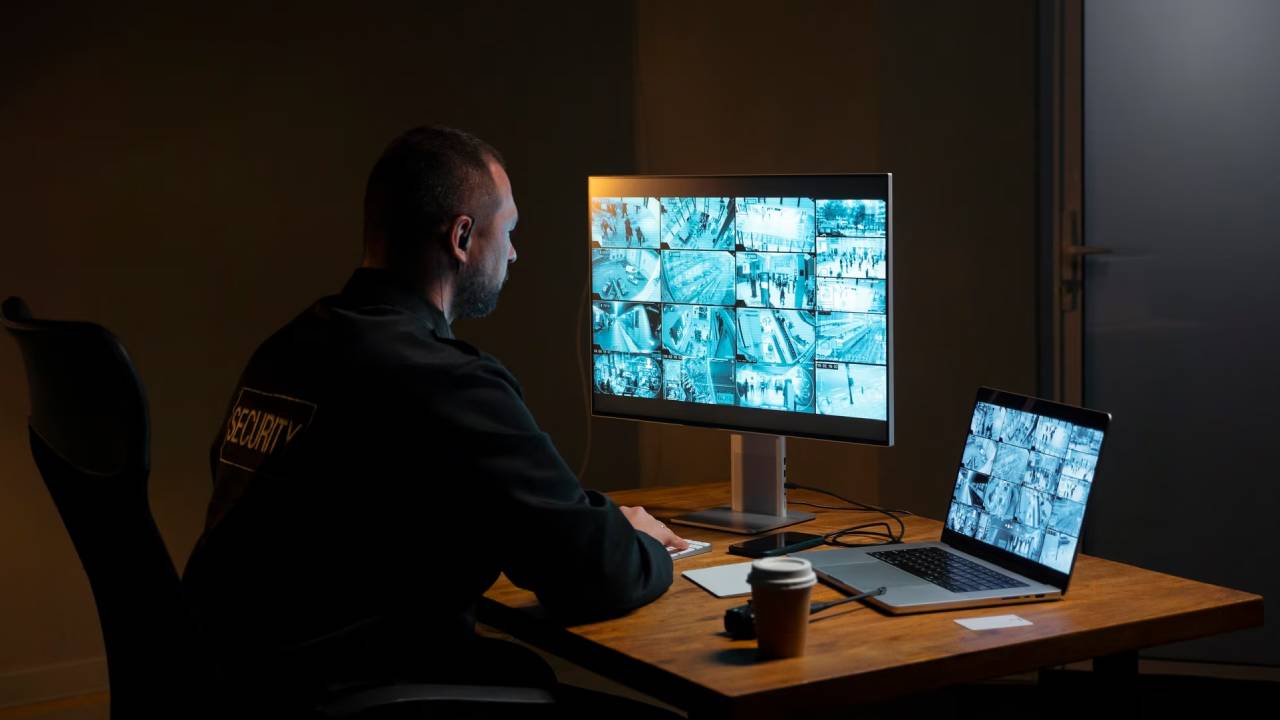
CCTV cameras provide visual monitoring of designated areas. Access control systems help restrict entry to authorized individuals. Alarm systems can notify relevant personnel about selected events.
Residential Security Guards in Edmonton can work alongside these systems by observing alerts, checking reported concerns, and following established response procedures.
For instance, if an access alarm activates, a guard may inspect the designated location, assess the situation from a safe position, and notify the appropriate person.
This combination allows property managers to use technology for monitoring while retaining personnel who can respond to situations on site.
Why Property Managers Should Review Security Regularly
Security requirements are not fixed. A residential building may undergo renovations, introduce new access systems, increase occupancy, or experience changes in visitor activity.
Regular reviews can help identify gaps before they become recurring problems.
Property managers can consider reviewing:
- Entry and exit procedures.
- Patrol schedules and designated routes.
- Lighting around entrances and parking spaces.
- Access permissions for contractors.
- Emergency contact information.
- Incident reports and recurring concerns.
- Communication between guards and management.
Residents can also contribute by reporting damaged entry systems, unusual activity, and other concerns through the property's established reporting channels.
Residential Security Services from National Security Guard Protection Services (NSG)
National Security Guard Protection Services (NSG) is a security company that serves clients seeking security support for residential properties.
For property owners, condominium boards, and residential managers, arranging security begins with identifying the property's requirements. The type of building, access points, occupancy, operating hours, and potential risks can all influence the assignment.
Residential Security Guards in Edmonton can form part of an arrangement that includes access monitoring, property patrols, visitor checks, and incident documentation.
Before starting an assignment, property representatives should discuss expected duties, staffing schedules, reporting arrangements, and emergency procedures with the provider.
Clear communication helps establish what guards are responsible for and how their work fits into the property's existing management processes.
Business Details
Business Name: National Security Guard Protection Services (NSG)
Address: 10708 97 St NW #204, Edmonton, AB T5H 2L8, Canada
Phone: (780) 800-6929
Property representatives can use these details to inquire about residential security arrangements and discuss their building's requirements.
Frequently Asked Questions
1. What is the main responsibility of a residential security guard?
The main responsibility is to monitor designated residential areas, control authorised access, observe unusual activity, conduct patrols, and report incidents. Specific duties depend on the property and assignment instructions.
2. Are residential security guards necessary for apartment buildings?
Not every apartment building requires the same level of security. However, buildings with multiple entrances, shared parking, frequent visitors, or recurring access concerns may benefit from on-site security personnel.
3. Can residential security guards work overnight?
Yes. Security assignments can include overnight shifts, depending on the property's requirements and the provider's staffing arrangements.
4. Do residential security guards verify visitors?
They can verify visitor permissions, maintain entry records, and follow the building's access procedures. The exact process should be established with property management.
5. Can guards monitor parking garages?
Yes. Their assigned duties may include patrols of underground garages, outdoor parking spaces, vehicle access points, and designated storage areas.
6. What qualifications should residential security guards have in Alberta?
Personnel should meet applicable Alberta licensing requirements and have training relevant to their assigned duties. Property managers can ask providers to confirm licensing, training, and emergency procedures.
7. Can security guards respond to medical emergencies?
Guards can follow their training, notify emergency services, provide assistance within their qualifications, and help coordinate access for responding personnel.
8. How can I arrange residential security for my property in Edmonton?
Start by identifying the property's access points, operating hours, security concerns, and required staffing schedule. Then contact a security provider to discuss the assignment, responsibilities, and contract terms.
Contact NSG About Residential Security in Edmonton.
Residential property protection requires attention to access, daily activity, shared spaces, and unexpected incidents. Having clear procedures and trained personnel on-site can help property managers address these responsibilities in an organized manner.
Residential Security Guards in Edmonton can support residential buildings, gated communities, condominiums, and private estates through patrols, access monitoring, observation, and incident reporting.
If you manage a residential property or own a home and are considering security arrangements, speak with National Security Guard Protection Services (NSG).
Call +1 905-965-2260 or visit National Security to discuss your property's security requirements.
You can also visit NSG at 10708 97 St NW #204, Edmonton, AB T5H 2L8, Canada, to inquire about residential security arrangements.