Tue Sep 1

What happens around your property after everyone goes home? A quiet parking lot, an open gate, or an unlocked side door may sit unnoticed for hours. Mobile Security Patrol adds physical security checks during those after-hours periods, giving property owners another way to keep watch when regular activity has stopped.
The concern is not always a dramatic incident. Occasionally, it starts with something small: a damaged fence, an unfamiliar vehicle, a door that was not secured, or someone standing where they should not be.
At night, those details can be harder for property owners to spot.
For businesses, warehouses, construction sites, parking areas, and other properties in Edmonton, regular patrols can add another layer of after-hours observation. Here are five ways mobile patrol security can support nighttime property security.
Once employees and customers leave, many properties become much quieter. That change can make routine security checks harder to maintain.
A property may have several entrances, a large parking area, storage sections, loading zones, or exterior equipment. Not every area receives the same attention after business hours.
Common nighttime security gaps can include:
Here is the concern: a property can appear quiet while something still requires attention.
A camera may capture an image. An alarm may signal a problem. Yet physical patrols can add another layer by placing officers on the property itself.
That is where a Mobile Security Patrol can fit into an after-hours security plan.
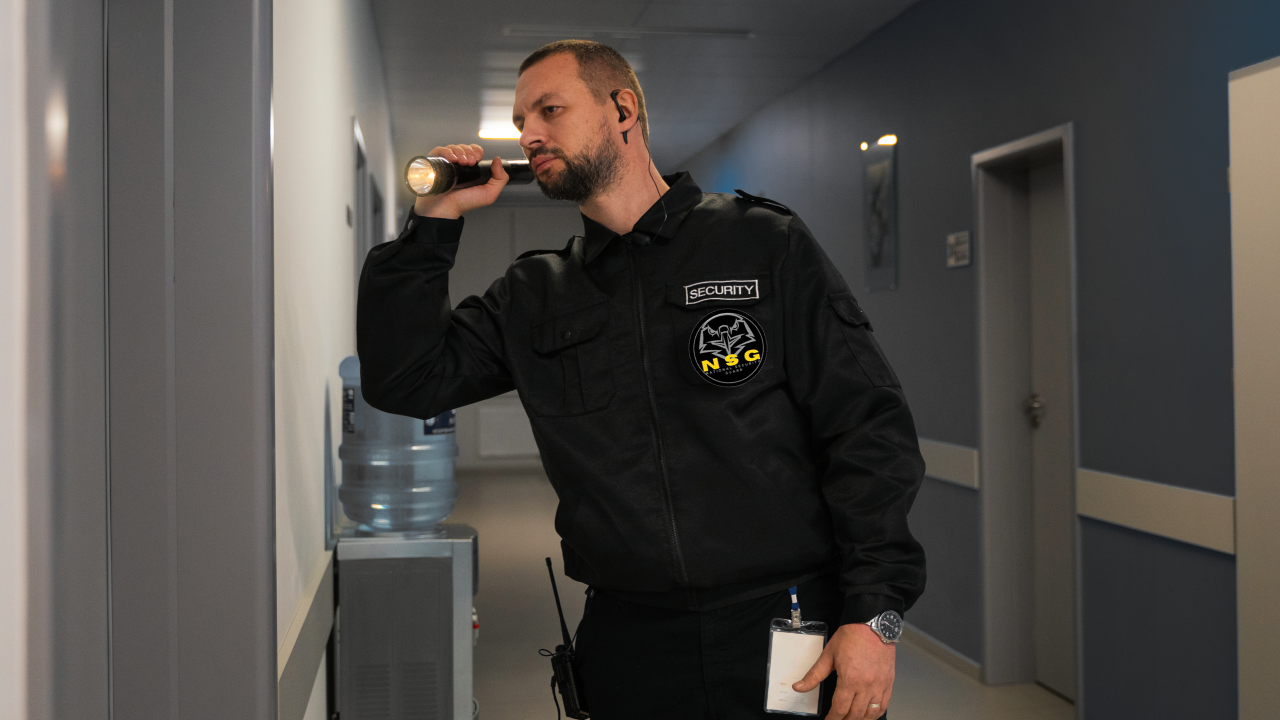
A nighttime patrol is more than simply driving around a property. Depending on the site's security plan, patrol officers may check visible conditions, observe access points, look for unusual activity, and report concerns according to established procedures.
Here are five practical ways patrols can support property security in Edmonton.
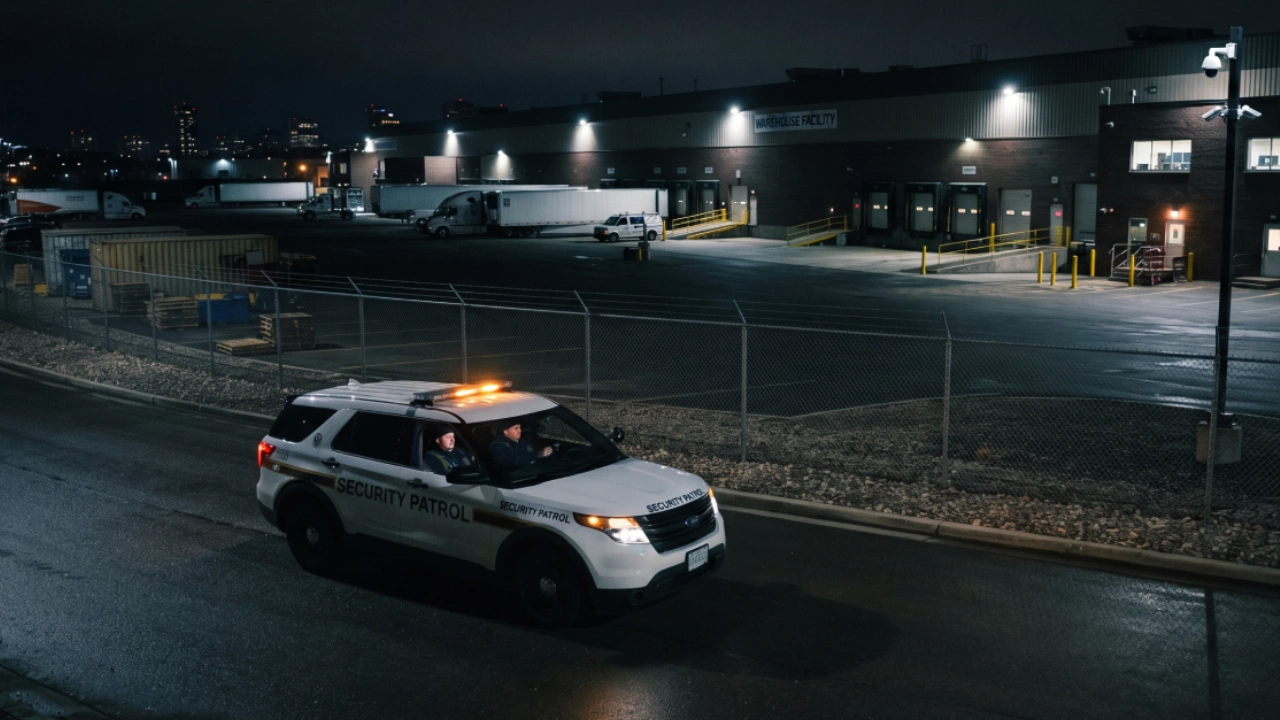
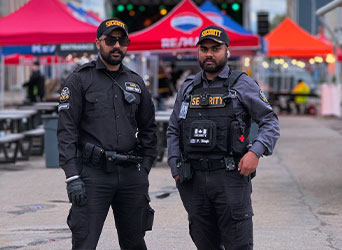
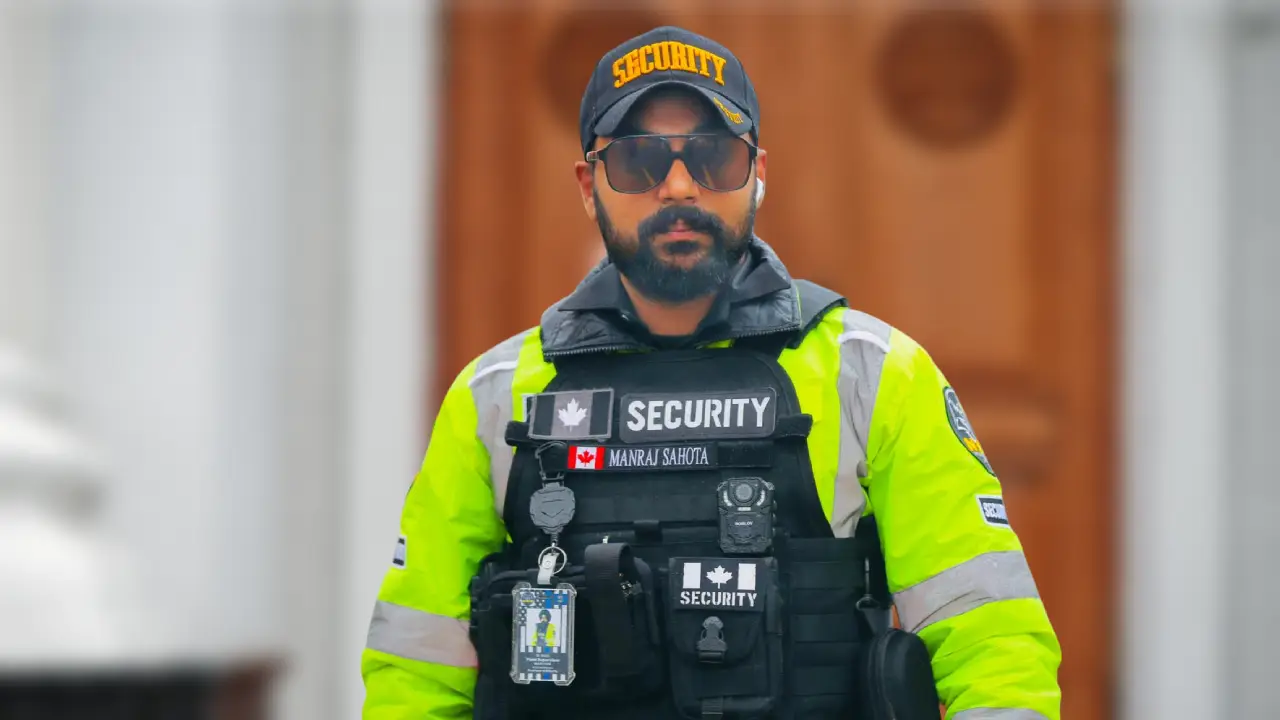
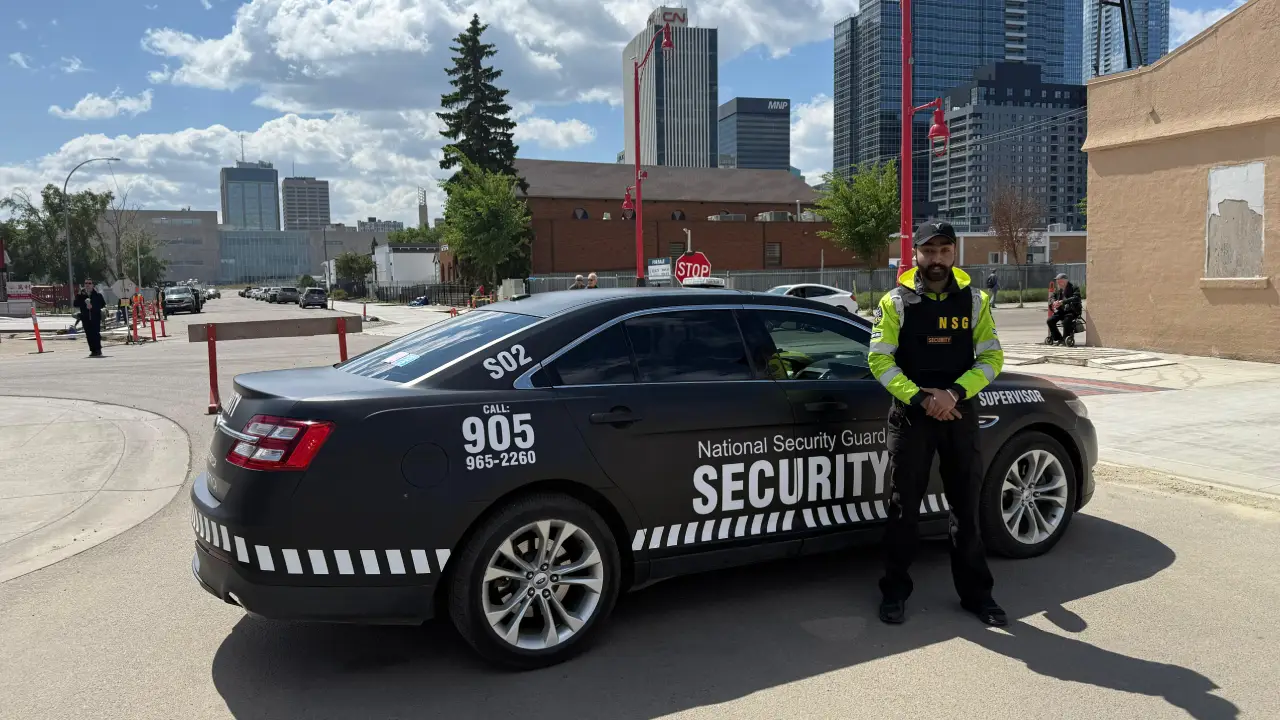
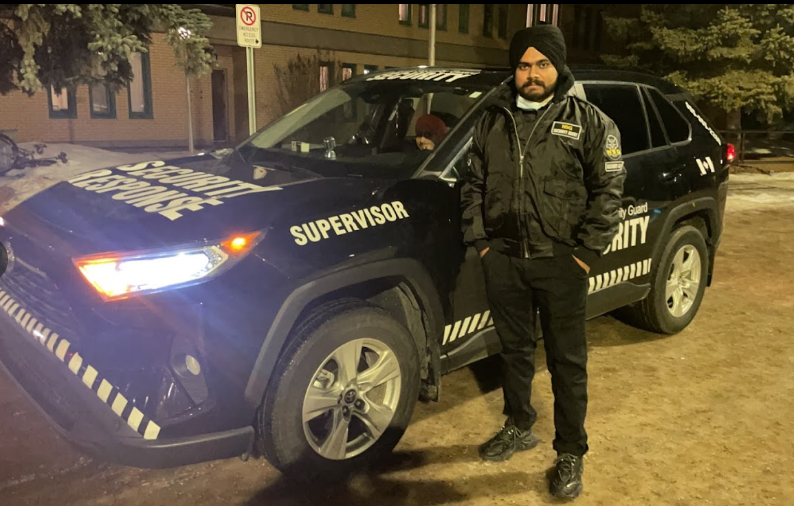
A marked patrol vehicle or visible security officer can make a noticeable difference in how a property looks after dark.
When people see regular patrol movement around entrances, parking areas, gates, and exterior sections, they know the property is not being ignored.
That visibility may discourage some unauthorized behaviour. It may also deter individuals from entering restricted areas.
During a Mobile Security Patrol, our patrol officers can move around designated parts of a site according to the property's security procedures.
Checks may include:
Visibility does not mean every incident will be stopped. No security method can promise that.
Instead, the purpose is to create a physical security presence when normal business activity has ended.
For a property owner, that can matter when the question is simple: Who is actually looking around the site after everyone leaves?
The problem may not be where property owners expect it to be.
A main entrance may be locked while a side gate remains open. A front door may be secure while a loading area has a damaged lock. A parking lot may look empty while an unfamiliar vehicle sits near a restricted section.
These are the kinds of visible conditions that routine patrol checks can bring to attention.
Depending on the site plan, mobile security patrol checks may include:
The purpose is not to assume that something suspicious has happened. Instead, patrol officers can observe conditions and report issues according to established procedures.
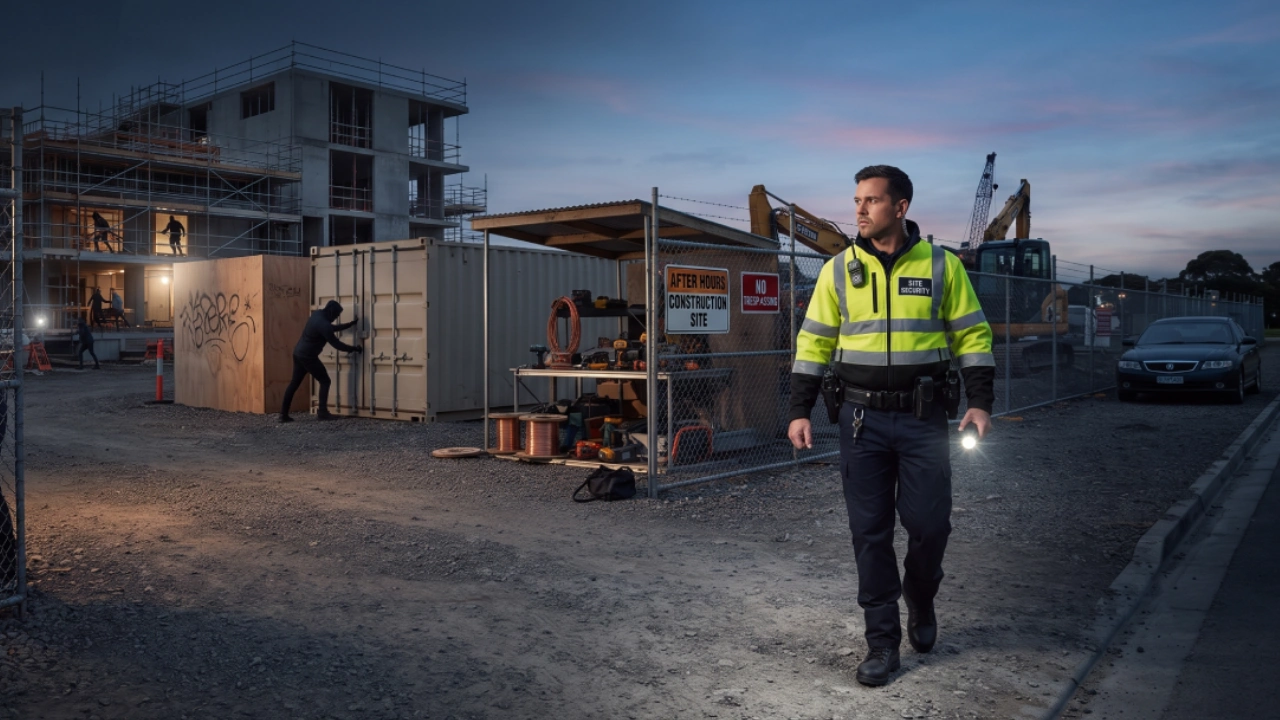
For a warehouse, this could mean checking exterior access points. For a construction site, it could involve observing fencing, gates, equipment areas, and other designated sections.
Routine physical checks can help prevent a small security concern from sitting unnoticed for an extended period.
What specific signs does a patrol officer typically look for during a nighttime round?
The answer depends on the property, but visible warning signs can include an open door, damaged fencing, an unfamiliar vehicle, unusual activity, or signs that someone may have entered an area without permission.
Other observations may include:
There is an important distinction here.
Seeing an open door does not automatically mean a crime has occurred. Seeing an unfamiliar vehicle does not automatically mean it is connected to wrongdoing.
Patrol officers can document or report what they observe according to the property's security plan rather than making unsupported assumptions.
That makes Mobile Security Patrol another layer of observation for property owners who cannot physically check their site throughout the night.
A security issue that nobody notices can remain unresolved until morning.
Physical patrols can help bring visible concerns to someone's attention during after-hours periods.
For example, a patrol officer may notice that:
The next step depends on the property's established security procedures.
Patrol officers may report the condition, notify an appropriate contact, record observations when required, or escalate the concern according to site instructions.
This does not mean private security replaces police, fire services, emergency medical services, or other emergency responders. Those services have different roles.
Security patrol services can provide physical observation and follow the procedures established for the property.
The key point is simple: a concern can be brought to attention while the property is still being checked, rather than waiting for the morning shift to discover it.
One nighttime inspection may reveal one issue. Repeated patrols can create a consistent routine.
A property may have scheduled checks that cover selected areas throughout the night. Repeated observation can also help identify conditions that keep appearing.
For example, patrol officers may notice that:
This monitoring creates a record of changing conditions that can support a property's existing security procedures.
A night security patrol does not guarantee that every security problem will be discovered. Its role is to provide another physical layer of observation during hours when fewer people are around.
And that raises an important question:
What could be happening around your property after the doors close?
A quiet property is not necessarily a completely secure one.
Consider a few ordinary scenarios.
An exterior gate could remain open after the last employee leaves. A damaged fence could go unnoticed until morning. A vehicle could remain in a restricted parking area. A side entrance could fail to lock properly.
None of these situations automatically means a serious incident has occurred.
But each one creates a condition that may deserve attention.
Other nighttime concerns can include:
That is why after-hours security is often about observation as much as prevention.
A property owner may have strong locks, cameras, alarms, and lighting. Yet if nobody physically checks certain areas, some visible conditions may remain unnoticed.
Different properties have different nighttime security needs. A Mobile Security Patrol may be useful for locations where large areas, multiple access points, or limited overnight staffing make physical checks difficult.
Retail locations can have parking areas, rear entrances, delivery sections, and storage areas that receive little activity after closing.
Patrol checks can focus on exterior doors, parking areas, loading zones, and designated access points.
Warehouses may have loading docks, multiple entrances, storage sections, and large exterior areas.
Night patrols can help observe designated areas and identify visible access or property concerns.
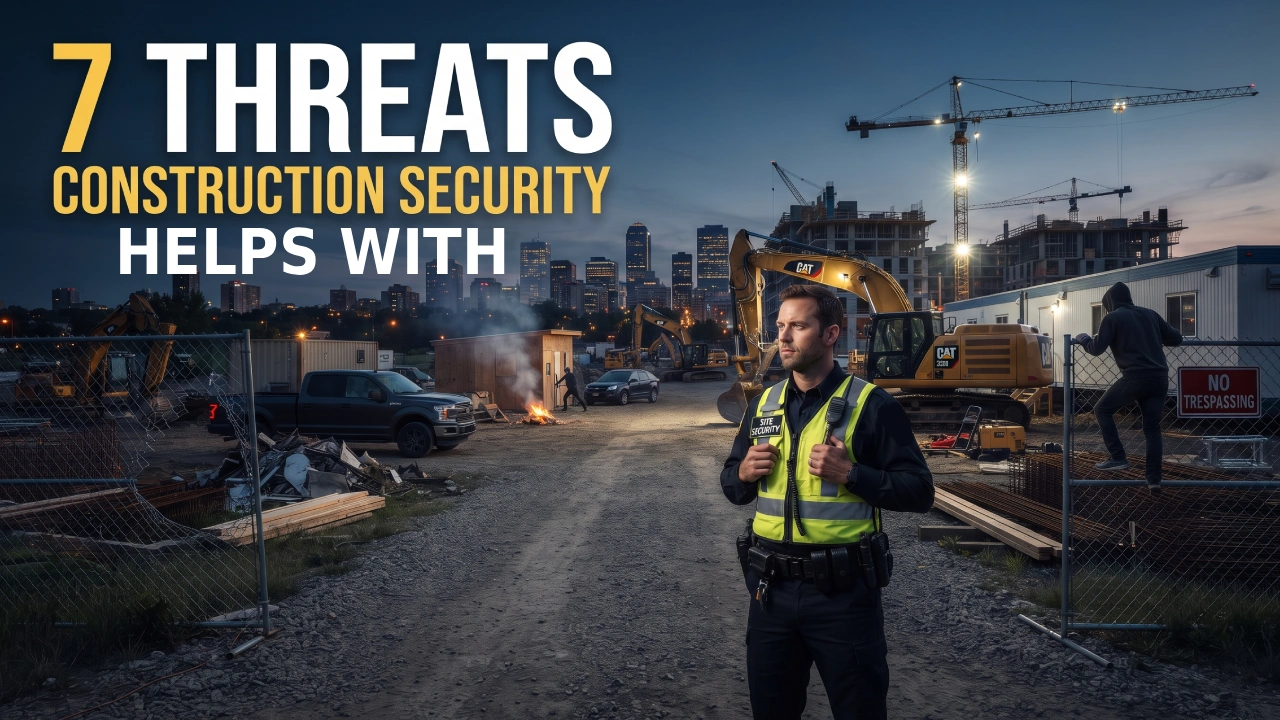
Construction sites may contain equipment, materials, temporary fencing, and partially completed structures.
A mobile patrol security routine can include checks of gates, perimeter areas, equipment sections, and other locations identified in the site plan.
Office buildings may become largely empty after employees leave.
Patrol officers can inspect selected entrances, parking areas, exterior sections, and other designated locations.
Industrial sites can cover large areas and may have multiple access points.
Patrol routes can focus on perimeter sections, gates, buildings, loading areas, and other locations specified by the property manager.
Large parking facilities can become much quieter after business hours.
Physical patrols can provide a visible security presence while officers observe the condition of designated areas.
Residential properties may have parking areas, entrances, garages, storage sections, and pedestrian access points.
Nighttime patrols can focus on areas identified in the property's security procedures.
A vacant property may have limited routine activity, making regular physical checks useful for observing visible changes around doors, windows, fencing, and exterior areas.
Vehicle display areas can cover significant exterior space.
Patrols can check designated sections, gates, parking areas, and building entrances after normal operating hours.
Storage properties may have gates, multiple access points, exterior units, and large perimeters.
Regular patrol checks can help identify visible problems around those areas.
Some security gaps are created by assumptions rather than a lack of security equipment.
One common assumption is that cameras can monitor everything.
CCTV can provide remote visibility, but cameras do not physically walk around a property. A Mobile Security Patrol can add physical observation to a camera-based system.
Other common mistakes include:
Security tools can work together.
Cameras can provide remote visual information. Alarms can signal certain conditions. Access controls can manage entry. Lighting can improve visibility. Fencing can define boundaries.
On-site guards can provide a physical presence, while patrol vehicles can move between designated locations.
No single method suits every property.
The question is not whether one tool can do everything. The question is whether your current setup addresses the areas that may be difficult to monitor after dark.
Edmonton property owners may manage sites with large parking areas, industrial sections, warehouses, construction zones, commercial complexes, and multiple access points.
Those properties can become much quieter outside regular operating hours.
Seasonal weather can also affect how properties influence nighttime usage. Snow, ice, reduced daylight, and changing outdoor conditions can make exterior property checks an important part of routine site management.
A property manager may also have areas that are rarely visited overnight, such as:
For Edmonton businesses, security patrol services can provide a way to place physical patrols into an after-hours security plan.
The patrol route should reflect the actual property rather than follow the same assumptions used for every site.
Security systems often work through different layers.
Cameras provide visual information from selected locations. They can help staff review activity remotely, depending on the system and monitoring setup.
Alarm systems can alert designated contacts when certain programmed conditions occur.
Access control systems can restrict entry through credentials, codes, cards, or other approved methods.
Lighting can improve visibility around entrances, parking areas, walkways, gates, and exterior sections.
On-site guards remain at a property for an assigned period and can perform duties based on site procedures.
A Mobile Security Patrol physically moves around designated areas rather than remaining at one fixed point.
That distinction matters.
Technology can observe from a distance. Physical patrols put officers on the property.
For some locations, combining cameras, alarms, access controls, lighting, and patrol security services may create a security setup that addresses different types of after-hours concerns.
A Mobile Security Patrol involves officers travelling through designated areas of a property to observe visible conditions and follow established site procedures. Checks may include entrances, gates, parking areas, perimeter sections, and other identified locations.
There is no single schedule for every property. Frequency can depend on the property's size, layout, operating hours, access points, activity level, and security plan.
Yes, where the site's procedures permit it. Patrol officers may check designated doors, gates, and access points and report visible issues according to the property's instructions.
It can be suitable for many commercial settings, including warehouses, retail sites, office buildings, industrial properties, parking facilities, and construction sites. The patrol plan should reflect the site's layout and security needs.
Yes. CCTV provides remote visual coverage, while patrol officers provide physical observation. These methods can serve different roles within the same property security plan.
A property may consider nighttime patrols when it has large exterior areas, multiple access points, limited overnight staffing, vacant sections, construction activity, parking facilities, or other areas that require physical checks after normal operating hours.
Nighttime property security is not only about locking the front door.
A property can have cameras, alarms, lighting, access controls, and strong fencing, yet certain exterior areas may still need physical attention.
A Mobile Security Patrol can add another layer by placing patrol officers around designated parts of the property during after-hours periods. Regular checks can help identify visible concerns, support site procedures, and bring unusual conditions to attention.
For Edmonton property owners and managers, the right approach depends on the site's layout, operating schedule, access points, and after-hours activity.
If you are reviewing your property's overnight security setup, Call National Security Guard Protection Services at +1 905-965-2260 to discuss nighttime Mobile Security Patrol for your Edmonton property.
We are located at 10708 97 St NW #204, Edmonton, AB T5H 2L8, Canada.