Tue Sep 1


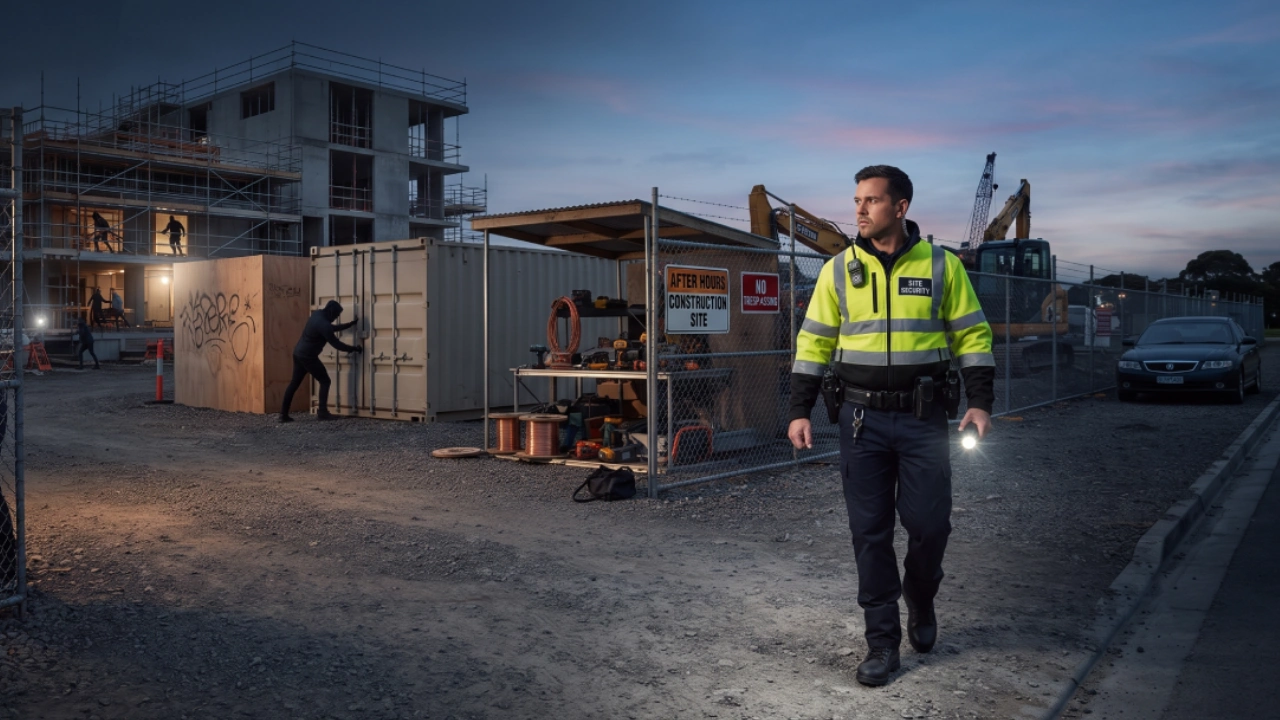
Workers leave. Equipment stays behind. Gates close. The construction site goes quiet. But what happens if someone walks through that gate after everyone has gone home?
A Construction Security Guard can provide a visible presence during those quiet hours, when unfinished buildings, stored materials, vehicles, tools, and temporary structures remain on-site. A dark corner, damaged fence, or unsecured entrance may not seem urgent during the workday. After hours, however, those same conditions can create security concerns.
Construction properties change constantly. One week, a section may have open framing. The next, expensive equipment may sit behind temporary fencing. Access points can move. Materials can be relocated. Workers, contractors, delivery drivers, and visitors may come and go.
So where are the weak points?
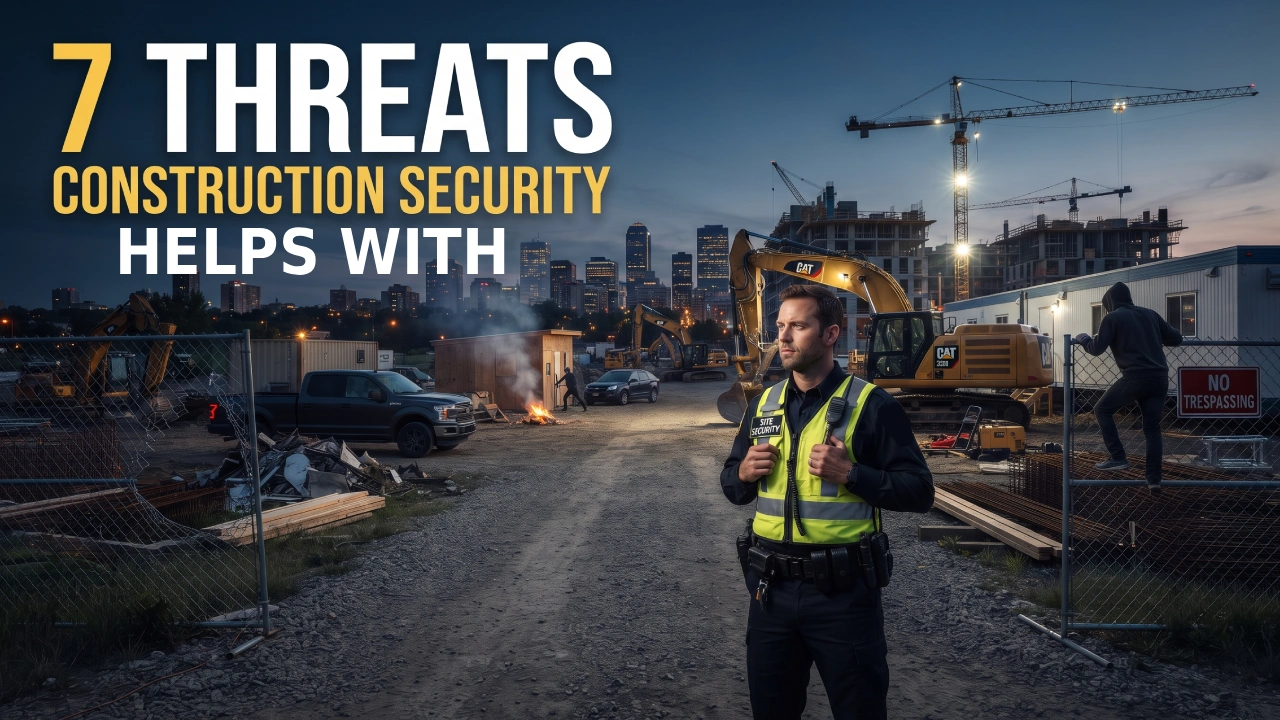
From equipment theft to unauthorized entry, several common threats deserve attention. Here are six issues that construction security personnel can help deter through patrols, observation, access monitoring, reporting, and communication.
Picture a busy construction site at 5:30 p.m.
Workers are leaving. Vehicles are moving out. Tools are being stored. Gates are being closed. Then, within minutes, the property becomes much quieter.
That change matters.
During working hours, people naturally provide visibility across the site. After hours, few workers may be present. Yet the property can still contain valuable equipment and materials.
Common areas of concern include:
A security presence does not guarantee that an incident will never occur. Instead, it adds another layer of observation and site control.
A visible guard can monitor designated areas, conduct patrols, document unusual activity, and communicate concerns according to established procedures.
That can matter when a site has no regular workforce present.
Construction sites have changing layouts, valuable materials, and multiple access points. That combination can create several security concerns.
A Construction Security Guard can help deter unwanted activity by maintaining a visible presence and watching areas that may otherwise receive little attention.
Here are six common threats that construction security staff may help address.
What is sitting behind that temporary fence?
A generator? Power tools? Wiring? Machinery? Construction materials?
After workers leave, these items can remain on the property for hours. Some equipment may be difficult to move quickly, while smaller tools and materials can be easier to carry away.
Construction Site Theft Prevention often starts with knowing what remains on-site and controlling who can access it.
Our security approach can include:
Consider a simple scenario.
A vehicle arrives after working hours and stops near a material storage area. There is no scheduled delivery. A guard notices the vehicle, follows site procedures, and documents the activity.
That observation may help site management identify an access issue before it becomes a larger problem.
A construction site does not need to have an unlocked main gate for unauthorized access to become a concern.
There may be temporary fencing. Multiple entrances. An unfinished structure. A damaged section of perimeter fencing.
What happens when someone notices one of those weak points?
Construction Site Security Guards can monitor designated access points and patrol areas where unauthorized entry may occur.
Depending on site procedures, duties may include:
Imagine a supervisor arrives early and notices a gate standing open.
Nothing appears to be missing.
Still, the open gate raises a question: Who entered, and when?
A clear security record can help establish what happened and when the issue occurred and clarify the timeline of events and the moment the issue was detected.
A construction property can contain more than tools and machinery.
There may be newly installed windows, walls, signs, vehicles, temporary offices, fencing, and other property. Damage to any of these areas can create additional work and delays.
Vandalism can take many forms.
It may involve damaged windows, marked walls, broken signs, damaged equipment, or interference with temporary structures.
Regular Construction Site Patrol can provide another set of eyes across the property.
During a patrol, security personnel may observe:
A visible guard can deter unwanted activity by clearly indicating that the site is under surveillance.
The guard can document the condition and notify the appropriate personnel according to the site's procedures if they discover any damage.
This issue can arise unexpectedly.
A construction property has an open area near a road. Hours later, an unfamiliar vehicle arrives. Something gets unloaded. The vehicle leaves.
What was left behind?
It could be construction waste, household waste, discarded furniture, large items, or unknown material.
Unauthorized dumping can create cleanup concerns and may introduce materials that site management did not authorize.
Construction Site Monitoring can help by keeping attention on access points and unusual vehicle activity.
Security personnel may:
The goal is not to assume that every unfamiliar vehicle represents a problem.
The goal is to notice activity that does not match the site's normal procedures.
Construction sites can contain temporary electrical systems, equipment, flammable materials, unfinished areas, and stored supplies.
That makes after-hours observation important.
A security guard is not a replacement for firefighters, inspectors, emergency responders, or construction safety professionals. However, guards may notice unusual conditions and report them through established procedures.
For example, a patrol may reveal:
Security personnel can observe designated areas, report hazards, contact the appropriate personnel when required, and document what they see.
The key point is simple: noticing an issue is different from resolving it.
Guards should follow their assigned duties and site protocols rather than attempting to perform the role of emergency or safety professionals.
Sometimes the concern is not theft or vandalism.
It is simply someone being somewhere they should not be.
An unfinished building may appear empty. A fenced parking area may seem accessible. A partially completed structure may have areas that are difficult to secure.
Unauthorized activity can include:
Security personnel can patrol the property, monitor designated access points, communicate with authorized personnel, and document incidents.
That visible presence can make a difference.
Someone considering unauthorized entry may reconsider when they see a guard actively monitoring the property.
So what happens once the workers leave?
A Construction Security Guard may take on several duties based on the site's security plan and assigned responsibilities.
The work is not simply standing at a gate.
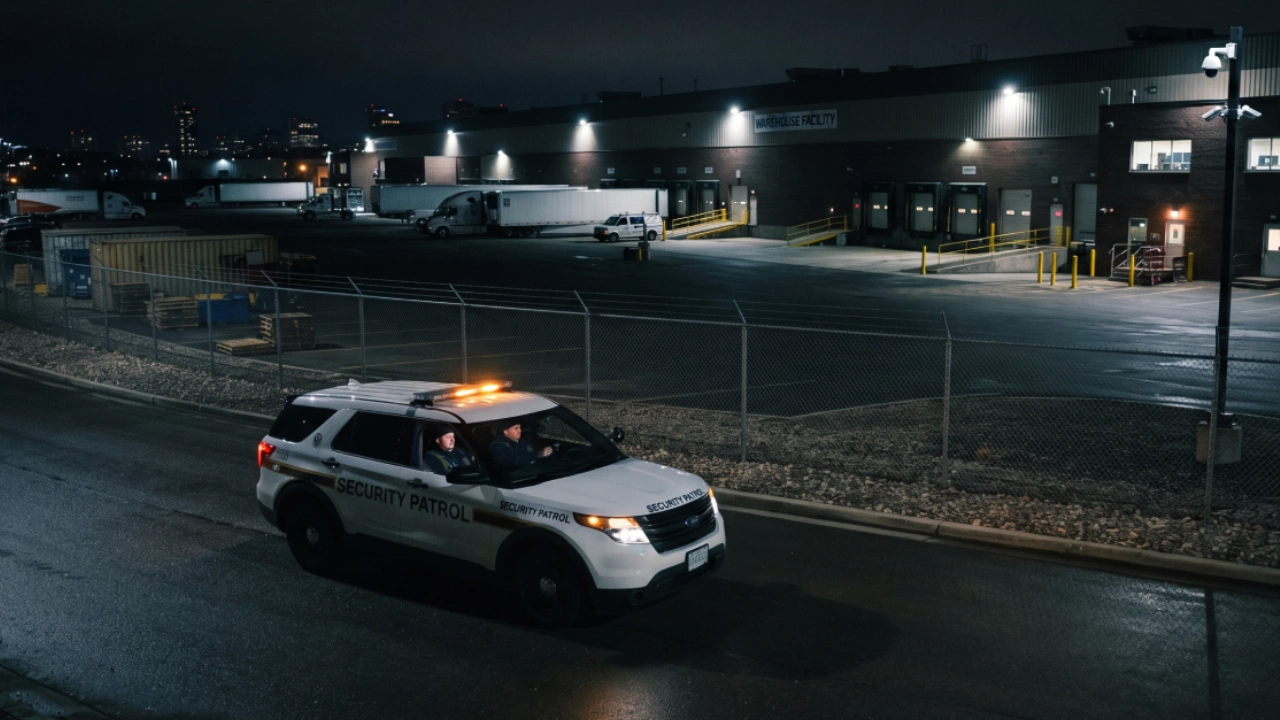
Patrols can cover different sections of a property according to the site's schedule and procedures.
Areas may include:
Patrol patterns may vary based on the site's needs.
Access control can become more difficult when a property has multiple entrances.
Security personnel can monitor designated entry and exit points, verify visitors according to site rules, and report access concerns.
What happened?
Where did it happen?
When was it noticed?
Clear documentation can help site managers review security issues and identify recurring concerns.
Incident records may include observations involving unauthorized access, property damage, unsecured gates, suspicious activity, or other site concerns.
Security personnel can communicate with:
Clear communication helps ensure that the right person knows when an issue requires attention.
Sometimes the warning signs are small.
That does not mean they should be ignored.
Missing items can indicate a need to review storage, access control, and after-hours procedures.
An unsecured gate creates an access concern. Repeated occurrences may point to a process problem.
A damaged fence can create an opening to areas that should remain restricted.
An unfamiliar vehicle is not automatically suspicious. However, repeated unexplained visits may warrant attention.
People entering or remaining on-site without approval should be addressed according to site procedures.
Repeated property damage may justify reviewing lighting, cameras, patrols, access points, and other security measures.
A site that sits empty overnight or during extended closures may benefit from additional monitoring.
A construction site can have cameras, fencing, lighting, locks, and alarms.
Still, someone needs to notice what is happening on the ground.
A visible security presence can add another layer to a site's security plan through:
This does not mean guards replace physical security systems.
Locks still matter.
Lighting still matters.
Cameras still matter.
Fencing still matters.
The strongest site security plans often combine several measures rather than relying on one system alone.
The sun goes down.
Workers leave.
The gates are secured.
Equipment remains behind.
This is when an after-hours security routine can begin.
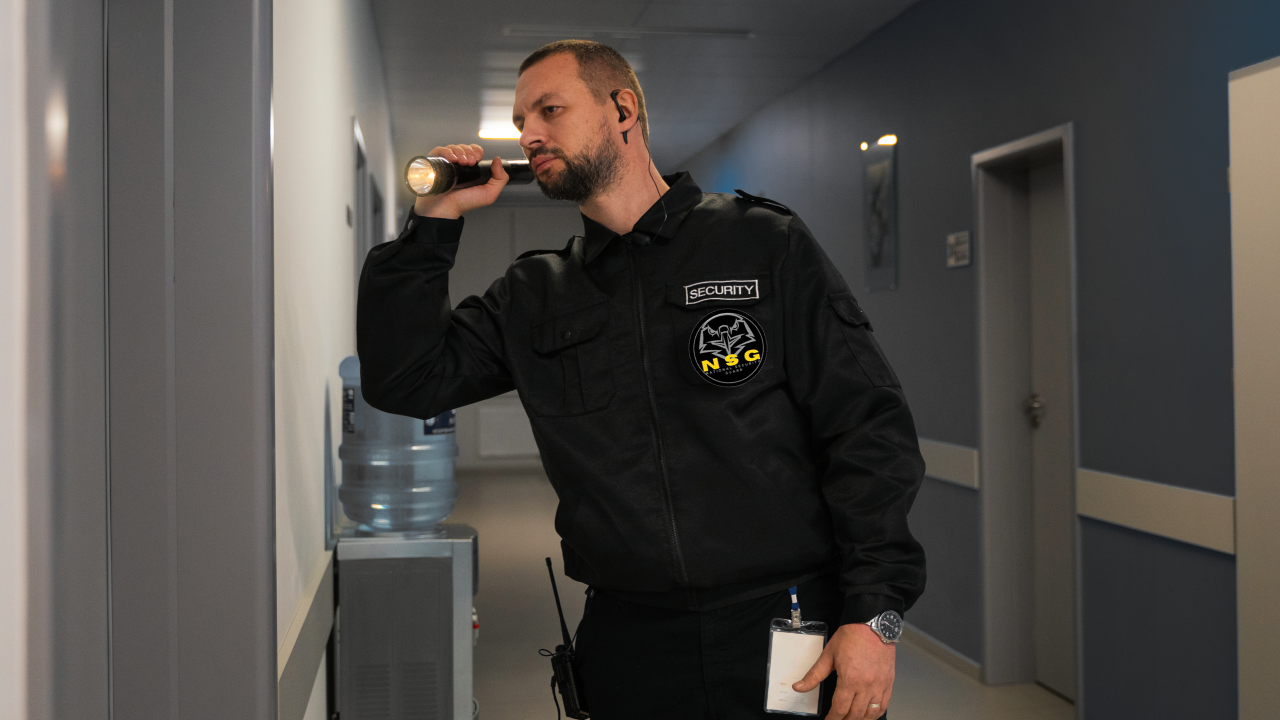
A guard may verify designated access points, conduct exterior patrols, inspect assigned areas, and observe equipment or material storage zones.
During a patrol, the guard may notice a damaged section of fencing.
Later, an unfamiliar vehicle appears near an entrance.
The activity can be documented and reported according to site procedures.
That is the practical role of overnight Construction Site Security.
It creates another layer of observation during periods when normal construction activity has stopped.
A site can have security personnel and still have weak points.
Why?
This is because security operates as a system.
An open gate can create an unnecessary access point. Gates should be checked according to the site's closing procedures.
Tools and equipment should be stored according to site security procedures. Placement matters when considering visibility and access.
Dark areas can make observation harder. Lighting should cover key entrances, walkways, storage zones, and other designated areas where appropriate.
A recurring issue that goes unrecorded can make it challenging to identify a pattern.
Construction sites can have many workers, contractors, suppliers, and visitors. Clear access procedures can help site management know who should be on the property.
A gate found open once may be a simple mistake.
A gate found open repeatedly deserves another look.
Cameras can provide valuable monitoring. They do not physically walk the perimeter or respond to changing conditions on the ground.
Everyone should know what happens when an unusual situation is discovered.
Who gets called?
Who receives the report?
What should the guard document?
Clear procedures can reduce confusion.
Edmonton construction projects can range from residential developments and commercial properties to industrial sites, road projects, and infrastructure work.
Each site has its own layout and security concerns.
Some properties may cover large areas. Others may have several access points, temporary fencing, equipment storage zones, or unfinished buildings.
Seasonal weather can also affect site conditions. Snow, ice, reduced daylight, and changing visibility can influence how property inspections are carried out.
An Edmonton Construction Security plan should reflect the actual property rather than rely on a generic checklist.
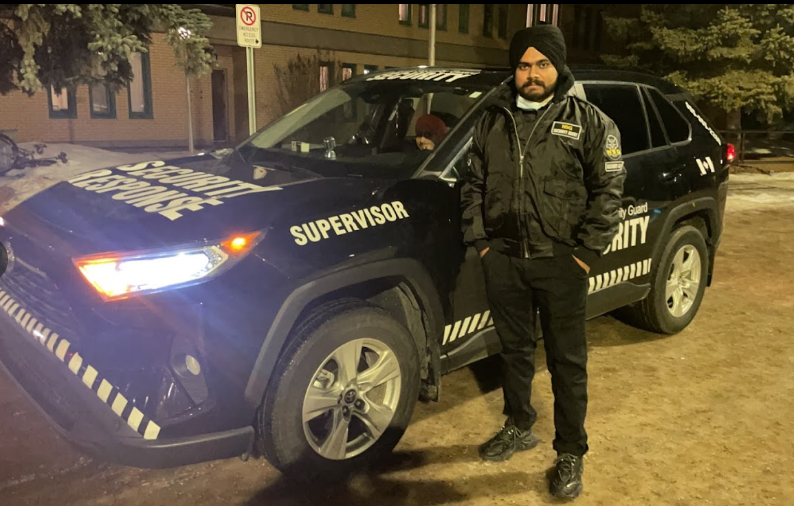
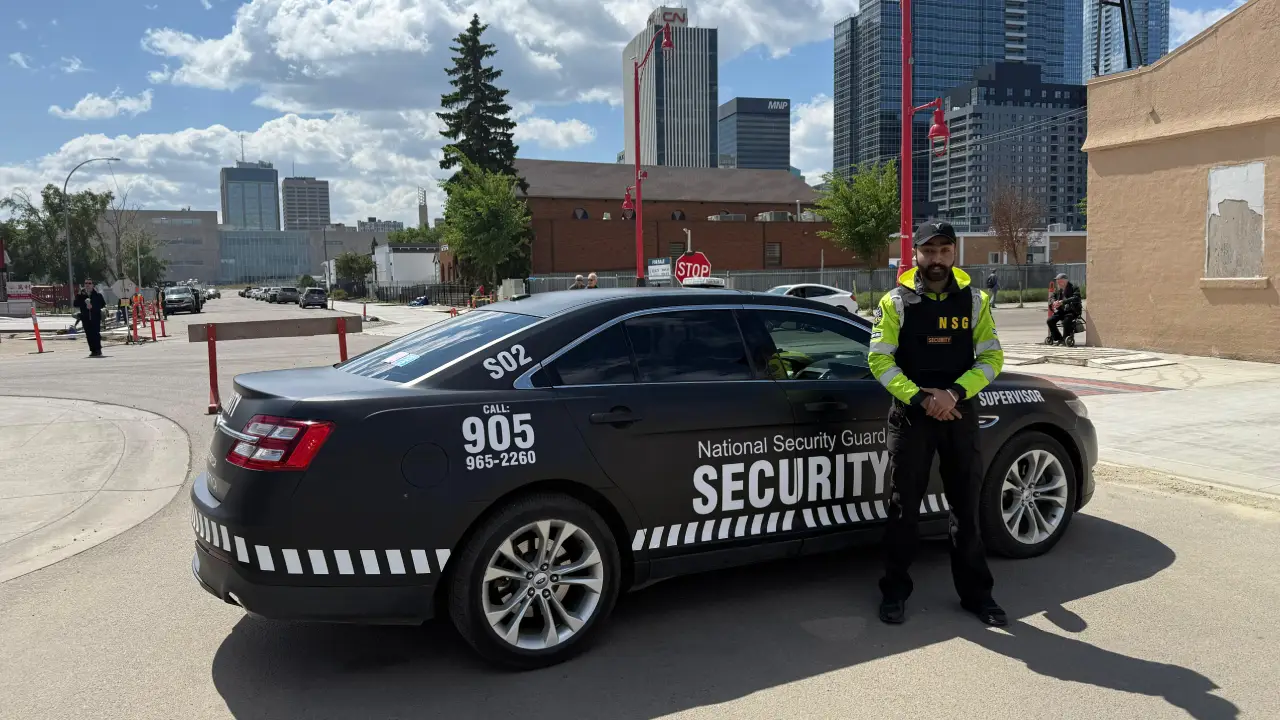
A Construction Security Guard in Edmonton may be assigned to monitor gates, patrol designated areas, document incidents, and communicate with site management according to the property's procedures.
The goal is practical site monitoring.
Not unnecessary alarm.
A guard may monitor access points, conduct patrols, observe the property, document incidents, report unusual activity, and communicate with authorized personnel.
No security measure guarantees that every theft will be prevented. Guards can deter unwanted activity, monitor access, conduct patrols, identify suspicious situations, and report incidents.
Yes. Overnight hours can leave a property with fewer people present. Security personnel can provide visible presence, patrols, access monitoring, and incident reporting during those periods.
Yes. Guards can monitor designated entrances according to site procedures. Duties may include checking authorized access, observing vehicles, and reporting unusual activity.
Security personnel may be used at residential developments, commercial projects, industrial properties, infrastructure projects, road construction areas, and other construction properties where site management requires security coverage.
Yes. Patrol routes can be structured around the property's layout, access points, storage areas, buildings, perimeter fencing, and other assigned zones.
Start by reviewing the site's layout, operating hours, access points, equipment storage, existing security systems, and after-hours concerns. A security provider can then discuss an appropriate patrol and monitoring arrangement.
The quietest moment on a construction site can still deserve attention.
Workers may be gone, but equipment remains. Materials remain. Vehicles remain. Temporary structures remain.
That is why Construction Security Guard coverage can form one part of a wider site security plan.
Security personnel can work alongside:
The goal is not to claim that every incident can be stopped.
It is to create another layer of observation, deterrence, reporting, and communication when the site has fewer people present.
If your project needs Construction Security Services, Security Guards for Construction Sites, or overnight Construction Site Monitoring in Edmonton, the first step is reviewing the site's actual security needs.
We are located at 10708 97 St NW #204, Edmonton, AB T5H 2L8, Canada.
Call National Security Guard Protection Services at +1 905-965-2260 to discuss construction site security in Edmonton.