Tue Sep 1

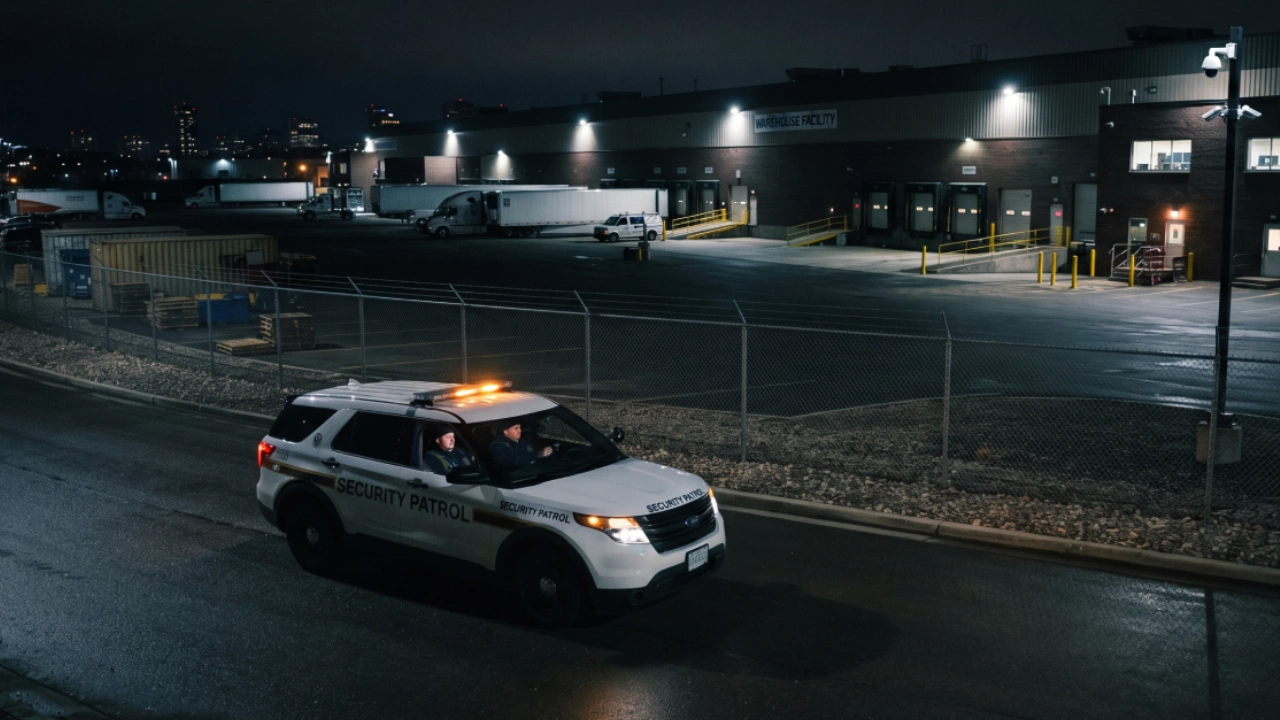
The last truck pulls away. The warehouse doors close. The parking lot empties. Then the property sits quiet for hours.
Who is watching the gates, loading areas, vehicles, and perimeter after the final worker leaves?
For many Edmonton warehouse managers, the answer may be a camera system, an alarm, or no one at all. Yet a warehouse can remain active from a security standpoint even when business activity has stopped. A gate may remain open. A side door may fail to lock. A vehicle may remain where it should not. A damaged section of fencing may go unnoticed until morning.
A mobile security patrol can add physical checks during these quieter periods. Our patrols can visit a property at scheduled times, inspect exterior areas, assess access points, observe unusual activity, and document concerns.
This does not mean every warehouse faces the same security issue. It means managers have another layer to consider when planning after-hours protection.
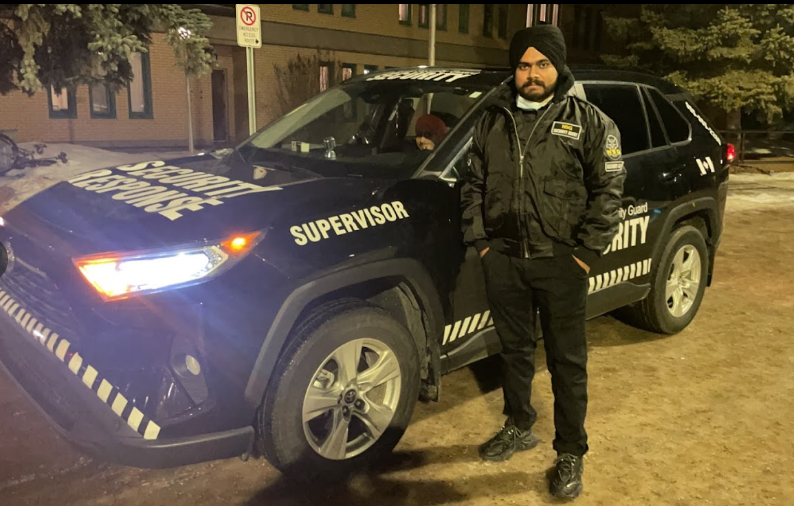
A mobile security patrol uses a security vehicle and trained personnel to visit a property and conduct physical checks.
Unlike a guard who remains at one fixed post, mobile patrol personnel can travel around different parts of a warehouse property during a patrol visit.
Depending on the site and security plan, a patrol may include the following:
Patrols may follow scheduled visits, varied visit times, or a combination of both. The approach depends on the property layout, operating schedule, access points, and concerns identified during planning.
A warehouse with several entrances and a large exterior area may require a different patrol route than a smaller commercial building.
That distinction matters.
A mobile patrol does not replace CCTV, alarms, access control, lighting, fencing, or emergency services. Instead, it can add physical observation to a wider security plan.
A warehouse may look quiet from the front while several areas remain outside the immediate view of staff.
Think about the rear gate.
The side entrance.
The loading zone.
The employee parking area.
The fenced storage yard.
The trailer section.
These areas can sit far apart, particularly on larger Edmonton industrial properties.
A single camera view may not show every angle. A single fixed guard post may not cover every exterior section. This is where mobile patrols can add another layer of physical observation.
Our patrols can move through designated areas rather than remaining in one location. The route can include perimeter fencing, gates, parking areas, loading zones, and other agreed locations.
That movement can also help identify small property issues that may otherwise wait until morning.
For example, personnel may notice:
The goal is not to assume that every unusual condition indicates criminal activity.
The goal is to notice conditions that deserve attention.
What happens after the final employee leaves?
For several hours, a warehouse may have little or no regular foot traffic. Yet the property remains accessible through entrances, gates, loading areas, and parking zones.
A person could enter an area without authorization. A vehicle could remain on the property after business activity ends. A door could be left unsecured.
None of these situations automatically means a crime is taking place.
Still, they can create questions for a warehouse manager.
A scheduled patrol check can provide another set of eyes during these quiet periods.
Our team can inspect designated exterior areas and look for signs that something has changed since the previous visit. If personnel identify a concern, the issue can be documented and communicated according to the security plan.
This can be particularly relevant for warehouses that operate during extended hours.
A property does not suddenly stop needing attention because the main office lights have gone out.
The warehouse may be empty.
The property is not.
Inventory can remain inside. Forklifts can sit in designated areas. Tools, machinery, electronics, building materials, delivery vehicles, and other business equipment may remain on the property.
Not every warehouse containing valuable property will face an incident. However, managers may still want regular checks when valuable items remain unattended overnight.
Consider a warehouse with outdoor equipment near a perimeter fence.
During the day, employees may notice anything unusual.
At midnight, there may be nobody nearby.
A mobile patrol can provide a physical check of designated areas during that period.
Our patrol route can include exterior equipment areas, vehicle sections, trailers, storage yards, and other locations identified during the planning process.
This can also help identify non-criminal issues.
A damaged gate, broken light, open storage area, or vehicle left in an unusual location may deserve attention even when no incident has occurred.
Loading docks are busy during operating hours.
After closing, they can become surprisingly quiet.
Warehouses may have several access points, including:
A door that is not properly secured can create an access concern.
A loading gate left open can create another.
These situations can be easy to miss when staff are no longer on-site.
A mobile security patrol can include loading areas and service entrances within its designated route. Personnel can look for visible signs of unsecured access, unusual activity, damage, or other conditions that should be reported.
This does not mean personnel should enter restricted areas without authorization.
Patrol procedures should follow the property's security plan and agreed access rules.
For Edmonton warehouse managers, this can be particularly useful when delivery activity continues beyond standard office hours.
The building may be quiet.
The loading area may not be.
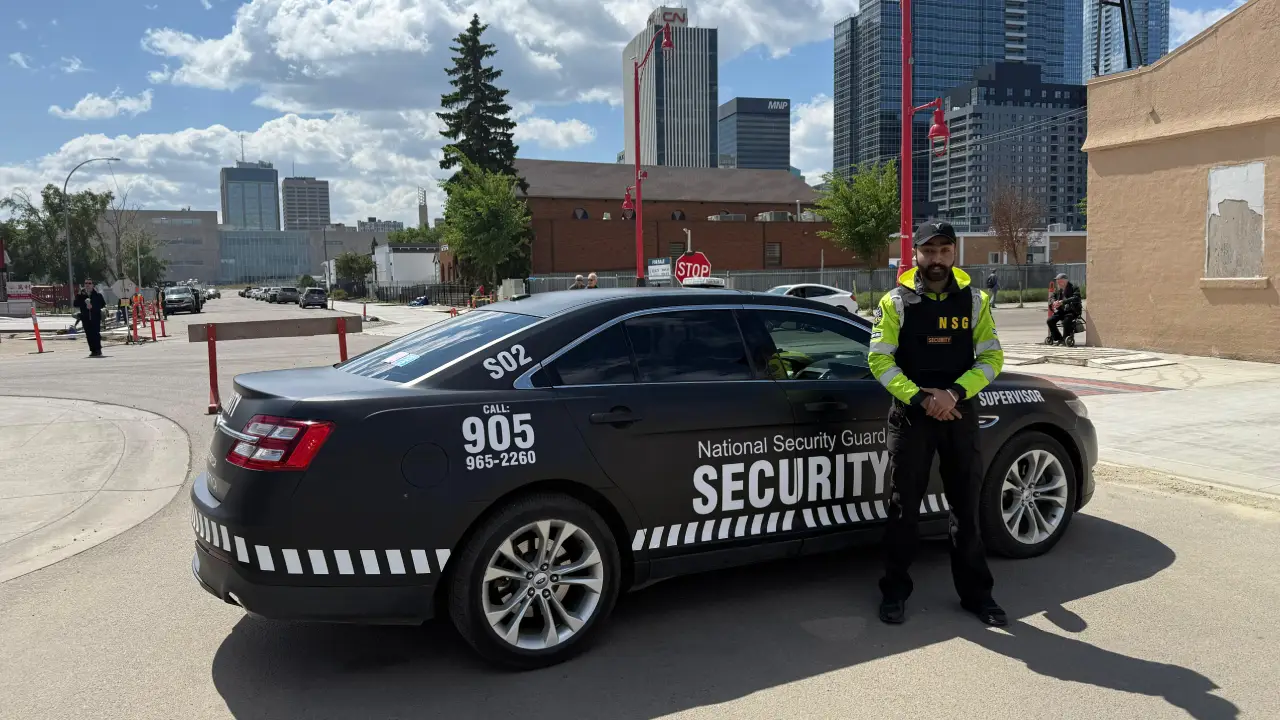
A marked security vehicle moving through a commercial property creates a visible security presence.
That visibility is one reason some property managers include mobile patrols within their security plans.
A patrol vehicle may enter a parking lot, move around designated perimeter areas, check access points, and continue through the property according to the patrol route.
Visibility alone does not guarantee that an incident will not occur.
That is an important distinction.
Instead, regular patrol activity can show that the property receives physical security checks. At the same time, personnel have an opportunity to observe conditions that cameras or alarms may not physically inspect.
For example, a patrol may identify:
The presence of a patrol vehicle is therefore only one part of the process.
The physical inspection and reporting that accompany the visit matter as well.
A security concern discovered at 2 a.m. can be difficult to reconstruct at 9 a.m. without records.
When did someone check the property?
Which areas were inspected?
Was the gate already open?
Was the damage present during the previous visit?
Did personnel notice an unfamiliar vehicle?
Patrol documentation can help answer these questions.
Depending on the security arrangement, reports may record:
Documentation can also help managers identify recurring conditions.
Suppose the same gate is found unsecured several times.
That pattern may point to an operational issue rather than a one-time event.
Perhaps the gate mechanism needs attention. Perhaps closing procedures need review. Perhaps staff need a clearer end-of-shift process.
The patrol report becomes part of the information used to assess what happens around the property.
A patrol route can be built around the property's layout and operating needs.
For mobile security patrol in Edmonton, a warehouse route may include the following:
The exact route depends on the property.
A large warehouse may have several gates and extensive parking areas. Another property may have a compact footprint but several loading entrances.
Our team can review the site layout and establish designated patrol points based on the security plan.
The patrol vehicle arrives at the warehouse and begins the visit according to the agreed patrol procedure.
Personnel can review designated areas rather than simply passing through the property.
The inspection may cover gates, perimeter fencing, entrances, parking areas, loading zones, storage areas, vehicles, and other agreed locations.
The focus is on visible conditions and security concerns.
If personnel notice an unsecured door, damaged fence, unusual activity, property damage, or another concern, the issue can be handled according to the property's security procedure.
The response depends on the situation.
Not every observation requires the same action.
Patrol observations can be recorded in a report.
This creates a record of what personnel observed during the visit and when the patrol occurred.
If personnel encounter a serious incident or immediate threat, the response should follow the established security plan.
Depending on the situation, this may involve contacting the designated property contact or the appropriate emergency service.
Security personnel do not replace police, fire services, paramedics, or other emergency responders.
Sometimes the warning sign is not a dramatic incident.
It is a pattern.
Your warehouse may deserve a closer look at after-hours security if:
Each point should be viewed within the context of the property.
For example, a small warehouse with one secured entrance may have different needs from a large industrial facility with several gates, loading docks, parking sections, and outdoor storage.
The question is not whether every warehouse needs patrols.
The question is whether the current security arrangement gives management enough visibility during periods when the property is quiet.
Closing time can create a false sense that the workday is finished.
From a property-security perspective, that is when another phase begins.
CCTV can record activity, but cameras do not physically inspect a gate, test whether a door is secure, or walk around an exterior storage area.
Video systems and physical patrols serve different functions.
Main entrances often receive attention.
Side doors, rear gates, service entrances, and loading areas can receive less attention.
A patrol plan can identify these locations as designated inspection points.
Poor exterior lighting can make observation harder.
Parking lots, loading zones, walkways, and perimeter sections should be reviewed as part of the site's security planning.
Lighting issues can also be documented during patrol visits.
A predictable routine may create limitations.
Depending on the security plan, varied patrol timing can provide another layer of observation.
The precise schedule should be based on the property's operating conditions and security needs.
Small issues can become recurring operational problems.
Consider:
One observation may mean little.
Repeated observations can reveal a pattern.
Edmonton warehouses and industrial properties can have layouts that make after-hours observation difficult.
Large commercial properties may include extensive parking areas, multiple entrances, loading facilities, storage yards, vehicle sections, and perimeter fencing.
Weather can also affect visibility and movement.
Snow can build up around entrances and parking areas. Reduced daylight during winter months can make exterior lighting more important. Seasonal operating changes may also alter delivery schedules and staff presence.
These factors do not mean that every Edmonton warehouse requires the same security arrangement.
They do mean that property managers should consider the physical layout and daily operating pattern when reviewing after-hours security.
Mobile security patrol in Edmonton can form one part of that review.
Our patrols can focus on designated locations where management wants additional physical checks, particularly during periods when normal staff activity has ended.
A warehouse security plan may include several layers.
Mobile patrols can work alongside the following:
Each layer serves a different purpose.
Cameras can record activity.
Alarms can alert designated contacts.
Access control can restrict entry.
Lighting can improve visibility.
Fencing can establish a physical boundary.
Mobile patrols can add physical checks around the property.
No single measure addresses every situation.
That is why warehouse managers may want to review the entire security arrangement instead of relying on one system.
A mobile patrol visits the property and checks designated areas such as entrances, gates, loading zones, parking areas, fencing, and exterior storage locations. Personnel can document observations and communicate concerns according to the security plan.
There is no single schedule for every property. Frequency can depend on the warehouse size, operating hours, access points, layout, activity levels, and security concerns. The patrol schedule should reflect the site's needs.
Yes. Gates, loading docks, service entrances, parking areas, and perimeter sections can be included in a patrol route when they are part of the agreed security plan.
After-hours patrols can provide physical observation when regular employees are not present. They can add another layer of visibility around entrances, exterior areas, loading zones, and other designated locations.
Yes. Mobile patrols can complement electronic security systems. CCTV and alarms provide monitoring or alerts, while patrol personnel can physically inspect designated areas and document visible conditions.
Start by reviewing the warehouse layout, access points, operating schedule, exterior areas, and current security measures. Then discuss those details with a security company to determine whether mobile patrols fit the site's security plan.
Return to the scene from the beginning.
The final truck leaves.
The employees head home.
The loading area falls silent.
The gates close.
Inside, inventory and equipment remain.
Outside, the perimeter, parking areas, vehicles, entrances, and loading zones still exist. A camera may be recording. An alarm may be armed. Yet physical conditions around the property can change during the night.
That is where mobile patrols may have a role.
A mobile security patrol can provide scheduled physical checks, visible security activity, exterior observation, and patrol documentation. It can also give warehouse managers another way to identify conditions that may otherwise wait until the morning shift.
The right approach depends on the property.
For some warehouses, existing CCTV, alarms, access controls, lighting, and staff procedures may provide sufficient coverage. For others, mobile patrols may add another layer worth considering.
If your Edmonton warehouse has a large perimeter, multiple entrances, loading areas, outdoor storage, late-night activity, or periods when nobody is on-site, reviewing after-hours security may be worthwhile.
We are located at 10708 97 St NW #204, Edmonton, AB T5H 2L8, Canada.
Call National Security Guard Protection Services at +1 905-965-2260 to discuss mobile security patrol for your edmonton warehouse.