Mon Oct 12


What happens to your home after you leave Edmonton for a two-week holiday? Vacation watch security guards can help monitor an unoccupied property, identify visible security concerns, and report unusual conditions while you are away. Without someone checking the property, an unsecured entrance, an accumulating pile of parcels, or a broken window could go unnoticed until you return.
Leaving town involves more than locking the front door. Whether you are travelling for work, visiting family, or spending several weeks outside Alberta, your home may need attention while you are gone.
The concern is not protection against theft, vandalism, or property damage. It is that nobody may be around to notice when something changes. A developing problem could remain undiscovered simply because there is no one nearby to see it.
From scheduled patrols to reporting visible damage, residential security checks can form part of a practical plan for protecting a house during an extended trip. Here are eight ways security guards may help monitor your Edmonton property, along with precautions you can take before leaving.
A locked home is not necessarily a home without security concerns. When residents leave for several days or weeks, ordinary signs of daily activity disappear. Mail may accumulate, deliveries can sit outside, and nobody may be available to notice an unusual situation.
Several circumstances deserve attention before departure.
These issues do not all indicate criminal activity. Some involve routine maintenance, while others may warrant a security check or further investigation.
For Edmonton homeowners, the practical question is simple: who will notice if something changes while the house is empty?
Arranging vacation home security patrols, collecting deliveries, and maintaining existing security systems can help address different parts of that concern.
The role of vacation watch security guards depends on the agreed service arrangement. Before the homeowner departs, they should establish the patrol frequency, permitted access, reporting procedures, and the areas covered.
Here are eight ways patrol services may contribute to residential property monitoring.
What happens around your house when nobody is there to observe it?
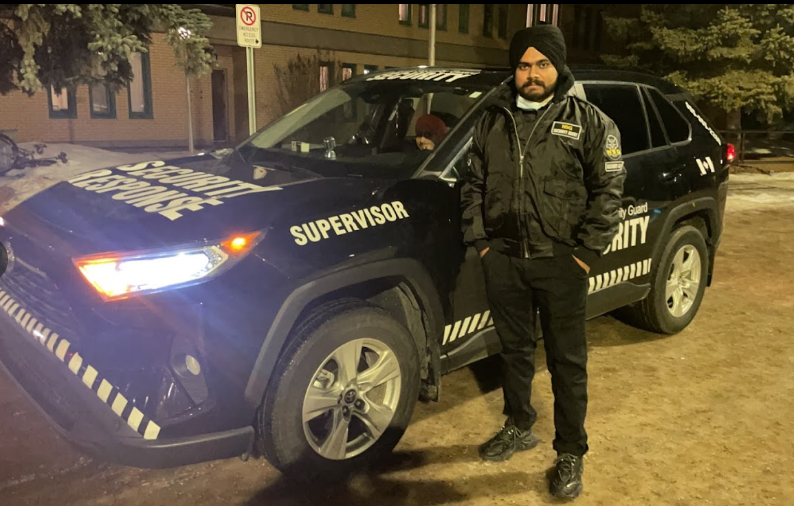
Scheduled security patrols can provide a visible security presence around a residential property. Depending on the arrangement, guards may observe the exterior, check designated areas, and note conditions that appear unusual.
For example, a guard conducting an agreed patrol might notice that a gate previously secured is now open or that an unfamiliar vehicle has remained near the property. The observation can be documented and handled according to the established procedures.
Regular patrols also provide homeowners with a defined arrangement for checking the property instead of relying exclusively on occasional messages from neighbours.
Before departure, clarify:
Patrols do not guarantee that every incident will be detected. Their role is to provide observation and reporting within the agreed scope.
The front door is not the only place that deserves attention before a holiday.
During the usual departure routine, homeowners often overlook side entrances, garage doors, basement windows, and accessible gates. A homeowner might check the main entrance twice but forget a secondary door or leave a window unsecured.
Where included in the service agreement, guards may observe accessible entry points for visible signs of damage, tampering, or unsecured access.
Consider a hypothetical situation: a homeowner leaves for three weeks and a storm damages a ground-level window. During an exterior patrol, a guard notices the damage and reports it through the agreed contact procedure. The homeowner can then arrange the appropriate next steps.
Security personnel should work within their authorized scope. An exterior observation does not mean a guard can enter private areas, unlock doors, or conduct an interior inspection without the necessary permission and arrangements.
Homeowners should identify relevant entry points in advance and clarify which checks are authorized.
Some unfamiliar people near a house do not present a security threat. Delivery workers, neighbours, contractors, and visitors may have legitimate reasons to be nearby.
The concern arises when circumstances warrant further attention, such as apparent attempts to access a secured entrance without permission or repeated activity around a restricted area.
Guards conducting patrols may observe and report such circumstances. Their reports should describe what they actually saw rather than make unsupported assumptions about someone's intentions.
For example, a guard might record the time, location, and visible activity associated with an apparently disturbed gate. If further action is warranted, the matter can be handled according to the agreed escalation procedure.
This factual approach matters because homeowners need useful information, not speculation.
Vacation watch security guards can contribute to residential monitoring by providing observations from scheduled visits. However, their presence should not be treated as a guarantee that all suspicious activity will be detected or stopped.
A house can appear unoccupied even when its doors and windows are secured.
Uncollected parcels, overflowing mail, and items left outside may indicate that residents have been away for some time. These signs are not proof of a security problem, but they can draw attention to the absence of regular household activity.
Homeowners can address these issues before travelling by arranging mail collection, redirecting deliveries, and asking a trusted person to manage routine exterior tasks.
Where the agreed patrol includes exterior observations, guards may notice accumulating deliveries or other visible changes and report them.
Imagine returning from a month-long trip to find several parcels beside the front entrance. A planned collection arrangement could have prevented the accumulation. A patrol may also identify the issue and notify the designated contact, depending on the service agreement.
Guards should not be assumed to collect mail, move packages, or enter the home unless those tasks are explicitly authorized and included in the arrangement.
These useful tips for securing a vacation home help reduce visible signs of a prolonged absence while keeping responsibilities clear.
People do not always cause security concerns. An empty house can develop problems that remain unnoticed simply because the occupants are away.
Examples include:
A guard conducting an agreed patrol may notice these conditions and report them to the homeowner or designated contact.
Consider a property owner travelling outside Canada during winter. After a period of severe weather, an exterior inspection reveals a damaged section of fencing. The report allows the owner to arrange an appropriate inspection or repair rather than discovering the damage only after returning.
There are limits to what a patrol can establish. Guards are not automatically qualified to diagnose structural damage, inspect plumbing systems, or determine whether a building is safe. Those tasks may require a contractor, technician, or emergency service.
The purpose of a property inspection is to identify visible concerns and communicate them through the agreed process.
A patrol is only one part of residential security planning. Homeowners also need to know what happens when a guard identifies a concern.
Who receives the report? What happens if the primary contact cannot be reached? Which circumstances require an emergency call? These questions should be settled before departure rather than during an unexpected situation.
When arranging vacation watch security services, discuss the following:
For instance, if a guard watches a visibly damaged entry point, the agreed procedure might involve contacting the homeowner and documenting the observation. If there is an apparent emergency, the appropriate response may require contacting emergency services.
The exact process depends on the contract, the circumstances, and the provider's procedures.
Do not assume that every patrol service includes live monitoring, instant notifications, or a particular response time. Please confirm these details in writing.
A weekend away and a three-month absence create different planning requirements.
Homeowners travelling for several weeks may need to consider changing weather, routine exterior maintenance, parcel arrangements, and the availability of someone who can attend to unexpected problems.
Seasonal properties can present additional concerns when they remain unoccupied for much of the year. Limited visits may mean that visible changes around the building take longer to notice.
For longer absences, discuss a patrol arrangement that reflects the property's location, access points, expected vacancy period, and monitoring requirements.
A homeowner leaving Edmonton for an extended winter trip, for example, may want to establish who will inspect designated exterior areas and receive reports about visible damage or access concerns.
Vacation watch security guards may form part of that arrangement when the required duties fall within the provider's service scope.
The important step is to establish clear responsibilities before leaving. A written plan helps everyone understand the schedule, authorized checks, communication process, and limits of the service.
Should homeowners choose between security patrols, cameras, alarms, and sturdy locks? Often, these measures serve different purposes and can work together.
Locks help secure entry points. Alarms may notify designated contacts or a monitoring provider about specified events. Cameras can record activity within their coverage area. Exterior lighting may improve visibility around entrances.
A guard conducting a patrol can add direct observation of visible conditions at the time of the visit.
For example, a camera may record an event, while an exterior patrol may reveal a damaged gate or a parcel accumulating beside the entrance. Neither measure covers every possible situation.
Homeowners should verify that their existing equipment works, that cameras cover the intended areas, and that alarm contacts know how to handle notifications. They should also confirm which tasks, if any, the patrol arrangement includes.
Security patrols for unoccupied homes are one component of a wider residential security plan. They do not replace sound locks, functioning alarms, appropriate maintenance, or emergency services.
The final hour before departure can be hectic. Bags are packed, transport is arranged, and everyone is eager to leave. That is precisely when small security oversights can occur.
Here are eight mistakes worth checking before you lock the door.
These precautions can address many everyday oversights without requiring a patrol service. Additional monitoring may be worth considering when the length of the trip, property layout, or lack of available contacts makes regular checks difficult.
A patrol arrangement works more smoothly when homeowners communicate the relevant details before leaving.
Use this checklist when preparing an unoccupied property for monitoring.
It is also worth documenting property-specific concerns. A gate that occasionally fails to latch, for example, should be identified before departure so that the relevant instructions are clear.
Share only the access information required for the agreed-upon duties, and use an appropriate method to communicate sensitive details.
Before signing an agreement, ask for written confirmation of the duties, patrol frequency, reporting process, exclusions, and any additional charges. Clear expectations help prevent confusion when an observation requires attention.
Edmonton's seasonal weather makes property preparation an important part of planning an extended absence. Winter conditions, changing temperatures, and periods of snowfall can affect exterior access, walkways, fences, and other visible parts of a home.
Snow accumulating on a driveway may be a routine maintenance issue. Damage to a fence after a storm may warrant a closer look. A visibly damaged window could raise a more immediate security concern.
These situations require different responses, and not every issue can be identified during a patrol.
For homeowners travelling during winter, consider arranging for snow clearing and other routine exterior maintenance. Confirm that exterior lights work, that entry points are secured, and that any existing heating or plumbing arrangements are appropriate for the building and the expected vacancy period.
Longer absences may also make it harder to notice changes around the property. Residential security checks while homeowners are travelling can provide an additional way to observe designated exterior areas, subject to the agreed schedule.
Vacation watch security guards may also report visible conditions that require attention, but routine patrols do not replace building inspections, maintenance visits, or qualified repair work.
The appropriate arrangement depends on the home, its location, the season, and how long the residents will be away.
Security patrols may suit some homeowners more than others. The decision depends on the property's circumstances and the arrangements already in place.
Consider these questions before deciding:
If you contact a security provider, ask about the patrol frequency, the precise scope of checks, documentation, communication arrangements, authorization requirements, and any additional charges.
Also ask which services are excluded. For example, do patrols include interior checks, parcel handling, alarm response, or attendance when a contractor is required? Do not assume these duties are included without written confirmation.
Hiring security guards to monitor a house while away is a decision about observation, reporting, and agreed duties. Patrols cannot guarantee that theft, vandalism, or property damage will not occur.
Compare the proposed service with your existing arrangements and choose an approach that fits your actual needs.
Vacation watch security guards may conduct scheduled patrols, observe visible entry points, note unusual activity, report apparent damage, and follow agreed communication procedures. Their exact duties depend on the contract and the permissions provided by the homeowner.
Yes, where the provider offers residential patrol services and an appropriate arrangement is established. Homeowners should confirm the schedule, permitted areas, scope of checks, reporting procedures, and authorized actions before departure.
There is no single schedule suitable for every property. The duration of the absence, layout of the home, existing alarm systems, seasonal conditions, and availability of trusted contacts can all influence the frequency. Discuss these factors with the provider before agreeing on a schedule.
No single measure can address every risk. Patrols may complement sound locks, alarms, cameras, exterior lighting, parcel collection, and routine maintenance. The appropriate combination depends on the property's circumstances and the services included in the arrangement.
Secure doors and windows, inspect secondary entrances, test existing security equipment, arrange mail and parcel collection, and appoint a contact for unexpected issues. If you plan to use residential patrols, confirm the schedule, access permissions, contact details, and reporting procedures in advance.
Contact a security provider to discuss the property location, expected absence, required checks, and communication arrangements. Ask for written details about patrol frequency, service scope, exclusions, and charges before confirming the agreement.
An empty house does not automatically face a security incident, but a lack of regular observation can leave visible problems unnoticed. Securing entry points, arranging parcel collection, maintaining existing systems, and establishing a contact plan can address many common concerns before departure.
Homeowners seeking extra property monitoring can reach out to National Security Guard Protection Services to discuss vacation watch security guards for their Edmonton properties. Ask about available patrol arrangements, the areas that can be checked, reporting procedures, and the duties that can be included in an agreement.
Address: 10708 97 St NW #204, Edmonton, AB T5H 2L8, Canada
Planning a trip? Call +1 905-965-2260 to discuss your property's monitoring requirements and determine whether a vacation watch arrangement suits your absence.